Arsenal's Defensive Blueprint Will Spawn a League of Mediocre Imitators
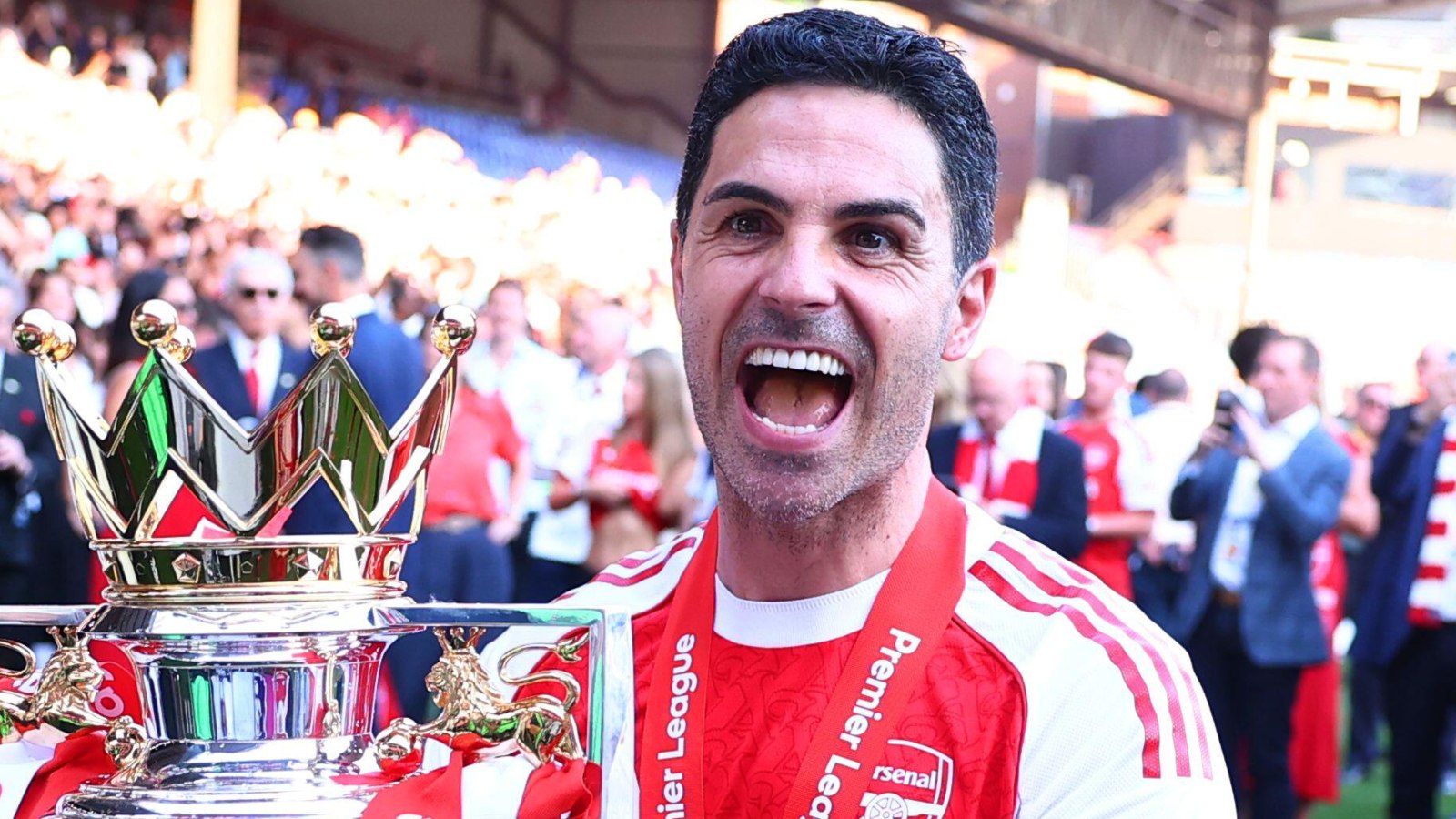
Arsenal have cracked the code to silverware. They've built a winning machine, and Saturday's final proved they can get the job done—even if it wasn't exactly a vintage spectacle. The discipline required to sustain that approach across a full campaign deserves respect, though one wonders whether their supporters are genuinely enjoying the football or simply basking in the results.
For those who actually care about the beautiful game, however, this is potentially grim news. History tells us that successful teams get imitated. Fifty years back, sides tried to replicate Liverpool's passing prowess; more recently, every ambitious manager attempted to channel their inner Pep Guardiola. The problem? Most couldn't pull it off. They grasped the possession obsession but missed the progressive passing, resulting in goalkeepers and defenders endlessly knocking the ball sideways, surrendering possession, and conceding in increasingly farcical fashion.
Arsenal's model will suffer the same fate. Lesser clubs will ape the wrestling at set-pieces, the theatrical time-wasting, the injury theatrics, the corner-defending wall of ten, the disjointed attacking play. What they won't replicate is the talent—that expensively assembled squad capable of manufacturing those rare moments of quality that actually win matches.
There's a curious paradox at play here. Defensive football can be genuinely compelling. Watching Giorgio Chiellini or Leonardo Bonucci was dramatic, visceral, captivating. Arsenal's version, by contrast, feels somehow sanitised. Perhaps it's because they execute it with such ruthless efficiency that they never quite achieve that hairy Italian centre-back aesthetic—that sense of a man carved from iron and determination.
The Premier League's entertainment quotient will take a hammering as clubs attempt to win by scoring once and defending everything else. Winning becomes the only metric; performance becomes irrelevant. That phrase gets wheeled out so frequently these days that it's practically become a virtue.
Arsenal possess a genuine talent: they make other teams, regardless of quality, play poorly. They suffocate flair and creativity, turning matches into grinding affairs punctuated by one set-piece or flash of skill, then lock down the back line. Kick off early and the match is essentially over—there's nothing left to see except defensive solidity.
A narrative has emerged suggesting you need to be some sort of football intellectual to appreciate what Arsenal are doing. That there's a higher art form on display, incomprehensible to the unwashed masses. It's a seductive argument—until they actually take to the pitch. For non-supporters, the case collapses. They disrupt flair, manufacture tedium and frustration, then nick a goal and hunker down. If they score first, you might as well head for the exit.
It's undoubtedly a skill. And it plainly works—mostly. Less so when a centre-back is tasked with taking a decisive penalty, admittedly. Perhaps that's sufficient. We'll certainly hear it repeated ad nauseam.
For the trophy-focused, none of this matters. For those seeking football that genuinely excites or even entertainingly misfires, the value proposition becomes questionable. Supporters will highlight the technical demands—the long throw precision, the corner-defending intensity, the free-kick accuracy. Others, operating from a different aesthetic framework, will beg to differ.
This is subjective territory, obviously. If you can extract satisfaction from it, more power to you. But don't be shocked if it divides opinion. It's not purely bias; it's a genuine difference in football values. There's no objectively correct way to enjoy the game, however much we might insist ours is the only valid perspective.
If you're banking on an entertaining Premier League next season, lower your expectations. Expect a procession of dreadfully unattractive contests as clubs attempt—badly—to replicate Arsenal's template. It'll be football stripped of joy. If Arsenal can navigate a Champions League final on 24.7% possession, one shot on target, and still force extra time, other managers will absolutely see that and attempt to copy it wholesale. They'll fail to realise it demands a specific mentality, that surrendering to the temptation to actually play attractive football is the quickest path to defeat.
Arsenal are perfectly capable of entertaining football. They simply choose not to. From a results perspective, they're probably right—their trophy haul would likely suffer, certainly against PSG. But casual observers aren't tuning in for the scoreline; they're hoping for moments of genuine excitement. Is that too much to ask?
Other managers will believe this can be transplanted wholesale into their squads, apparently oblivious to the fact that Arsenal's expertise makes all the difference. Expect to see inferior versions proliferate. Brace yourself.
Compare options