Arsenal's Title Hopes: Arteta Deserves Credit, But Emery Laid Critical Groundwork
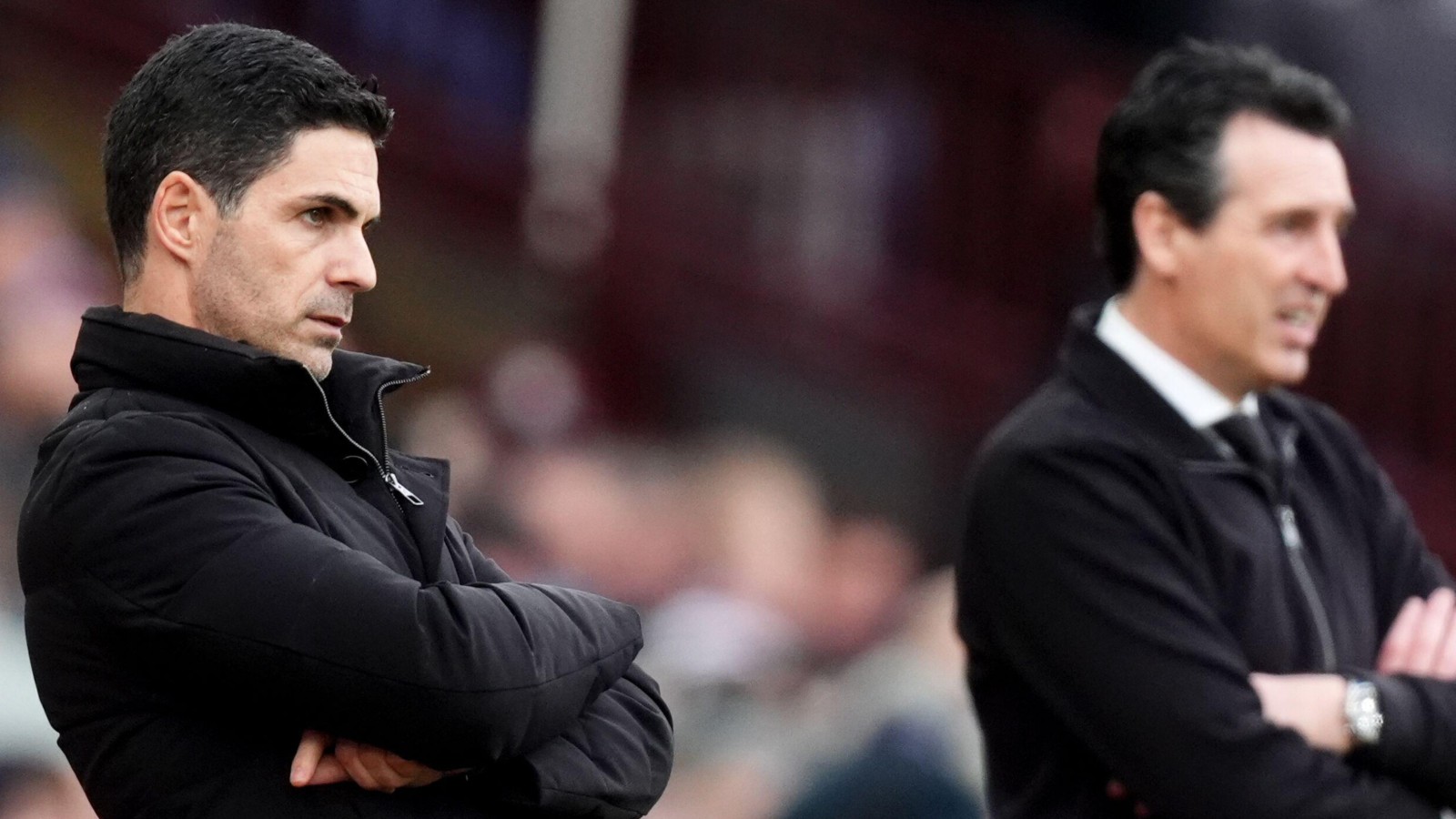
The narrative surrounding Arsenal's resurgence is straightforward enough on paper: Mikel Arteta arrived at a struggling tenth-placed side in December 2019 and has turned them into perennial challengers, now favourites to claim their first league title since 2004. Compelling stuff. Yet the full picture demands a more nuanced reading.
Arteta's fingerprints are undoubtedly all over Arsenal's transformation. He has orchestrated a complete squad overhaul, dramatically rejuvenated the age profile, lifted the FA Cup, and constructed a defensive unit that ranks among Europe's finest. The evidence of his managerial acumen is visible and substantial.
But here's where it gets interesting: much of the infrastructure supporting this success was already in place when he walked through the door.
Unai Emery deserves recognition for establishing Bukayo Saka as a first-team regular. When Arteta inherited the winger, he wasn't some unknown commodity – he was a Premier League-seasoned prospect ready to flourish. Gabriel Martinelli followed a similar trajectory, having already collected Arsenal's Player of the Month award back in October 2019. Emery created the conditions; Arteta refined them into stardom.
The same principle applies to the defensive backbone. William Saliba and Gabriel Magalhães form the spine of Arsenal's best-in-the-league rearguard, yet former Technical Director Edu Gaspar orchestrated both signings during Emery's tenure. Edu also brought in Martin Odegaard, Declan Rice, and David Raya – not exactly fringe players in the modern Arsenal setup.
Two factors consistently emerge from this analysis: Edu's eye for talent and a transfer budget that ranks second only to Manchester United's across the past five years. Arsenal's rise has been bankrolled substantially, and that matters enormously in contemporary football.
The Spanish coach's contribution extends beyond mere squad building. Arteta showed admirable faith in those prospects and possessed the coaching expertise to unlock their potential. Yet that coaching only flourished because Arsenal's hierarchy exhibited patience. His first full season brought their worst campaign start since 1974 – circumstances that typically trigger a managerial sacking in the modern game. Instead, Arsenal showed restraint, allowing him time to implement his vision. Most managers would improve when afforded such luxury.
What followed were three consecutive second-placed finishes between 2022/23 and 2024/25, finishing behind Manchester City and Liverpool. This season, though, both rivals have underperformed their usual standards, with Liverpool managing just 40 points and City 53 after 26 matches. Arsenal's 57 points at the same checkpoint represents marginal fluctuation compared to their 58 and 63-point tallies from the previous two seasons at this stage – hardly the dramatic upward trajectory the narrative suggests. A title triumph this year would owe considerably to diminished opposition rather than Arsenal achieving a genuine leap forward.
When you thread these elements together, a compelling title win increasingly appeared inevitable rather than impossible. Arteta has played his part admirably, yet the circumstances he inherited have wielded equal influence. Had Arsenal retained faith in Emery or appointed one of their other targets, the trajectory might not have been materially different. Emery himself has since demonstrated his managerial mettle by transforming Aston Villa from struggling underachievers into Champions League regulars.
The intriguing counterfactual remains tantalising: might Arsenal be chasing a fourth consecutive title right now instead of finally shedding their notorious bottlers' reputation?
Compare options