Would Arsenal fans actually want to see Spurs relegated? The North London derby dilemma
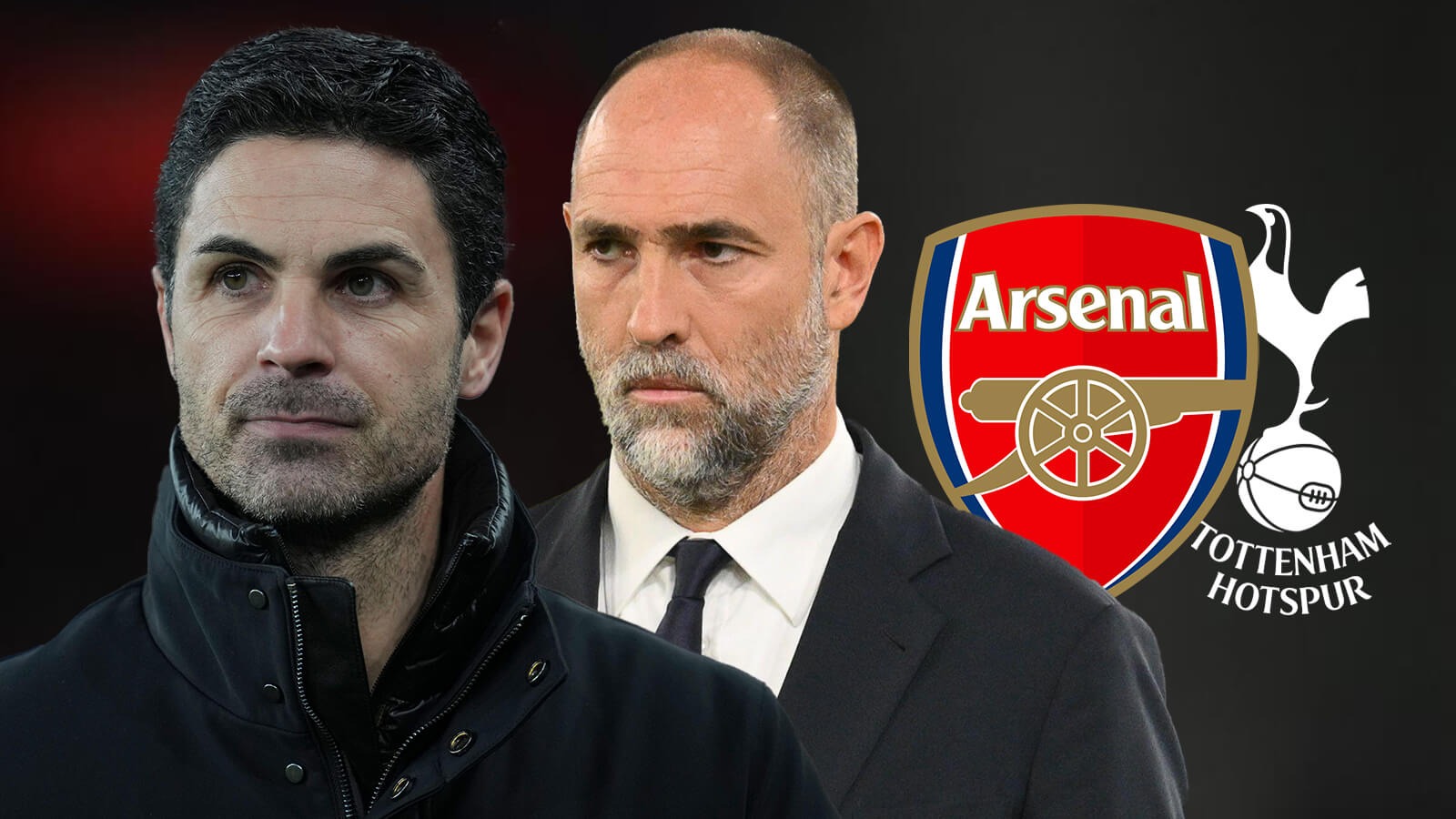
Schadenfreude has its limits, and Arsenal fans are discovering that watching your biggest local rivals tumble out of the Premier League might not deliver the satisfaction you'd expect.
The North London derby sits alongside just one other fixture as a constant presence throughout every Premier League season—a rivalry that defines the calendar for supporters on both sides of the divide. Yet for the first time in living memory, there's genuine anxiety among the Gunners faithful that this fixture could simply cease to exist. Sure, you can laugh at Spurs' misery from a distance, but strip away the schadenfreude and there's something hollow about it all.
Look at other cities. The Birmingham derby has vanished from the fixture list. The Tyne and Wear encounter only recently made its comeback. These absences leave a void that no amount of bragging rights can fill. The North London derby isn't just another game—it's the fixture supporters circle on the calendar first, the one that matters most when all else fails. Losing that would represent a peculiar kind of defeat, even in victory.
The Spurs situation has prompted wild speculation about their ownership's intentions. One correspondent suggests the club's hierarchy might be deliberately constructing a catastrophically bad squad—a motley collection of misfits incapable of stringing two passes together—as some elaborate scheme to eventually transform the stadium into something entirely different. It's absurd, naturally, but when a club is struggling this badly, the theories get increasingly creative.
Meanwhile, the Gabriel controversy continues to divide opinion. The centre-back's theatrical reaction to contact during the North London derby sparked considerable debate, though defenders point out that embellishment doesn't negate a genuine foul. Some draw parallels to previous incidents where similar contact went unpunished, suggesting Gabriel has simply learned to ensure referees notice the offence. Others argue this approach represents a troubling coaching philosophy—one that prioritises winning free-kicks through exaggeration over the pure defensive instincts that defined truly great defenders of previous eras.
The broader question of Arteta's methods has Arsenal supporters split. One faction insists the manager owes nobody anything—that outside opinions are irrelevant when the team sits atop the league and remains in all competitions. If Arsenal are genuinely so dreadfully boring and unworthy of success, critics should focus on why their own teams aren't beating them. Another perspective suggests the coaching emphasises gamesmanship to a degree that might ultimately limit the potential of genuinely talented players like Gabriel.
Elsewhere, Liverpool's defeat to Nottingham Forest generated its own controversy. Despite the loss, the numbers tell an interesting story: Liverpool created three clear-cut chances to Forest's one, led on possession, shots on target, and expected goals. Yet the narrative settled on a routine thrashing. The argument goes that Liverpool are judged by different standards than other clubs—expectations so elevated that anything short of dominance registers as catastrophe. Forest were the better side on the day, certainly, but calling it a robbery seems to misread what actually happened on the pitch.
The weekend's football, taken as a whole, struggled to deliver much in the way of entertainment value. A subdued affair across the board.
Compare options