Corners Have Become a Farce – It's Time the Premier League Actually Enforced the Laws
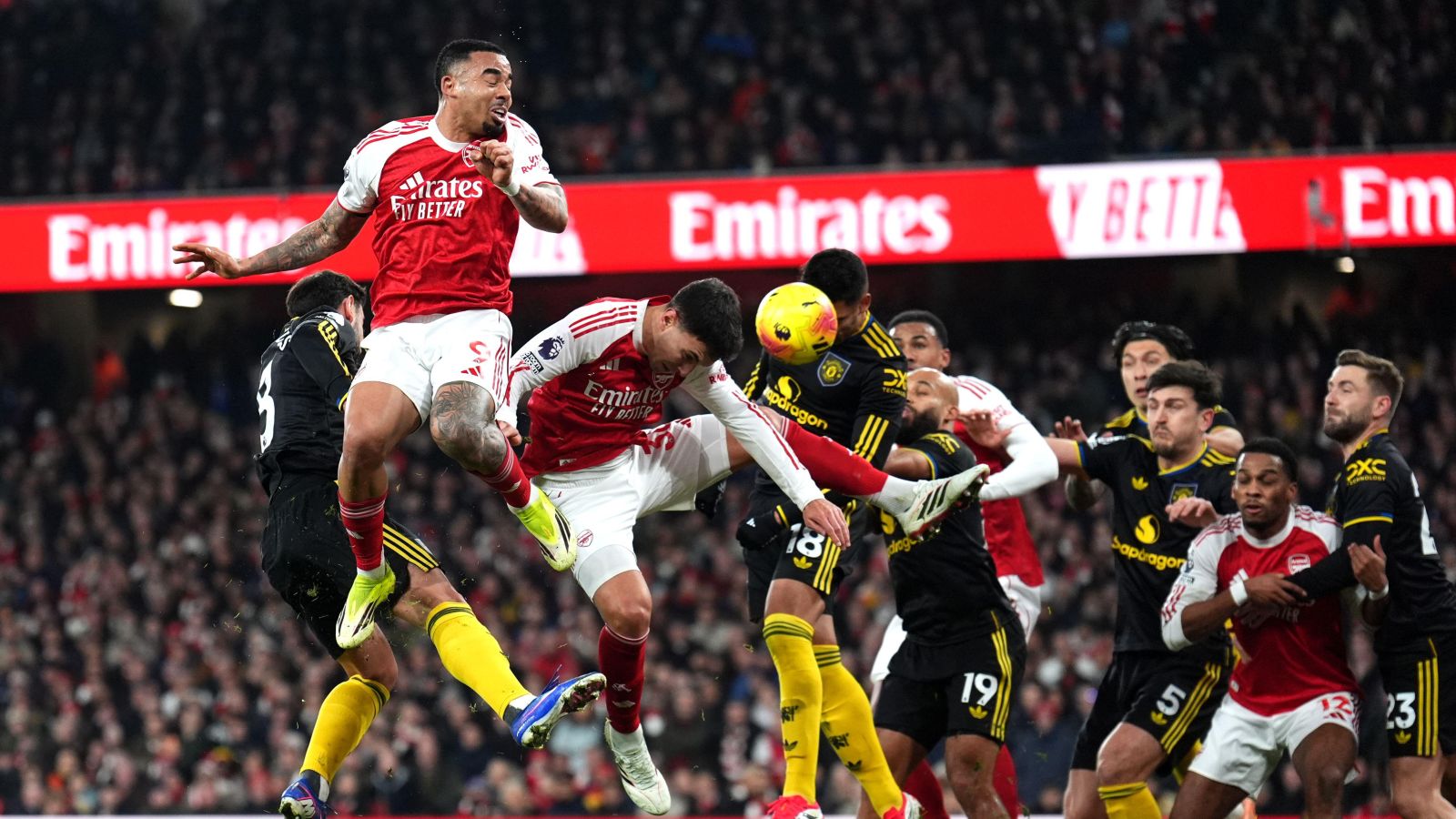
The Monday night spectacle between Everton and Manchester United served as yet another reminder of how far the Premier League has drifted from what football should be. The corner routines on display were less a sporting contest and more a wrestling match, with defenders and attackers alike treating the six-yard box like a mosh pit at a rock concert.
Arsenal, it seems, deserve particular blame for pioneering this particular brand of chaos. Every club in the top flight has now adopted some variation of the tactic, cramming bodies into the box with little genuine intention of challenging for the ball. The question everyone's asking is simple: how on earth do referees continue to allow it?
The Grey Area Defence
The uncomfortable truth is that much of what happens technically sits within the rulebook's murky boundaries. Players are entitled to position themselves where they wish, provided they're not offside. There's no regulation stating they must vacate space for a goalkeeper or create a clear lane for anyone else. Shielding one's position against an encroaching opponent is entirely permitted under the laws of the game.
But here's where it falls apart: when you've got a dozen or more players engaged in this "shielding" across the box simultaneously, it stops being football and starts resembling a badly choreographed rugby line-out. It jars against everything the sport is supposed to represent.
Whose Fault Is It Really?
Arsenal and Everton should both hang their heads in shame. Attempting to win matches by manufacturing a scrum in the box and playing the percentages while referees seemingly lack the backbone to enforce the laws represents a fundamental betrayal of the game's spirit. For West Ham supporters, watching David Moyes' teams repeatedly resort to this approach in their gleaming new stadium must feel like a particular form of torture.
The modern goalkeeper has become a prisoner in his own box. Teams have weaponised corner strategy, crowding the keeper, trapping him, sometimes forcing him behind the goal-line so he can barely move, let alone claim a cross. This creates a lopsided playing field that heavily favours the attacking side.
What's a keeper supposed to do? He can't go to ground when fouled because his goal sits wide open. He's left hoping no referee spots the obstruction – and most don't, unless he goes down dramatically. It's only a matter of time before a keeper comes out to punch a ball, gets obstructed, and accidentally clocks an opponent cold.
The Solutions Are There
The answers already exist. Referees simply need to enforce the laws properly. The moment a player stands on a goalkeeper without attempting to play the ball and prevents him from moving, that's obstruction – blow the whistle, award an indirect free kick. If that doesn't work, introduce a new rule: attacking players cannot enter the six-yard box until the corner is taken, mirroring the encroachment rules at penalties. Violators lose possession immediately.
Such a change would level the playing field, force teams to develop more creative corner routines, and potentially give fans something worth watching again.
Beyond corners, referees have abandoned basic law enforcement across the board. Throw-ins drag on for ten seconds or more. Players wander yards up the pitch from where the ball went out. Foul throws go unpunished. The laws explicitly cover all of this – they simply aren't being applied. A fortnight of zero-tolerance enforcement, with referees turning possession over and carding complainers, would eliminate this nonsense entirely.
A Deeper Malaise
The corner crisis is symptomatic of a larger problem: modern football has become risk-averse to the point of tedium. As professionalism increases, stakes rise, and money flows, players and managers play not to lose rather than to win. Gamesmanship, dark arts, and outright cynicism have metastasised from the bottom of the league to the very top.
Arsenal, the supposed best team in the country, now employ the same industrial, set-piece-focused tactics as sides battling relegation. Kick it forward, win a throw-in or corner, push the rules to breaking point, and hope for a deflection or VAR intervention. Cheat where possible. The presence of cameras everywhere was meant to change this. It hasn't.
Meanwhile, the entertainment value has cratered. Where once you'd see brilliant individual skill, daring runs, and distance shooting, now you get 90 minutes of sideways passing and manufactured chaos at set pieces. The 2006 Goal of the Month compilation – featuring Juninho Pernambucano's free-kicks and audacious strikes – would be impossible to replicate in today's game. Players now refuse to take risks.
What Football Has Become
The core product is on life support. Tiki-taka became the norm, and teams without the players to execute it tried anyway, rendering the sport unbearably dull. Now corners and throw-ins dominate tactical thinking. Diving, once at least entertainingly theatrical, has become standardised and embedded – just watch Arsenal's attacks for a masterclass in collective floor-diving.
The most important thing, as the cliché goes, is the three points. Entertainment has been sacrificed entirely. For those old enough to remember Ronaldo and Ronaldinho gracing the same era, the contrast is painful.
Something genuinely needs to change. Whether it's stricter refereeing, new regulations on box positioning, or a complete rethink of how the game is managed, the status quo is unsustainable. The Premier League risks losing fans who came for the spectacle and stayed for the sport – not for this grinding, cynical, utterly joyless version of the game we're witnessing now.
Football was supposed to be an escape, a showcase of skill and talent. Right now, it feels like work.
Compare options