Arsenal's Champions League Collapse Sparks Debate on Football's Soul
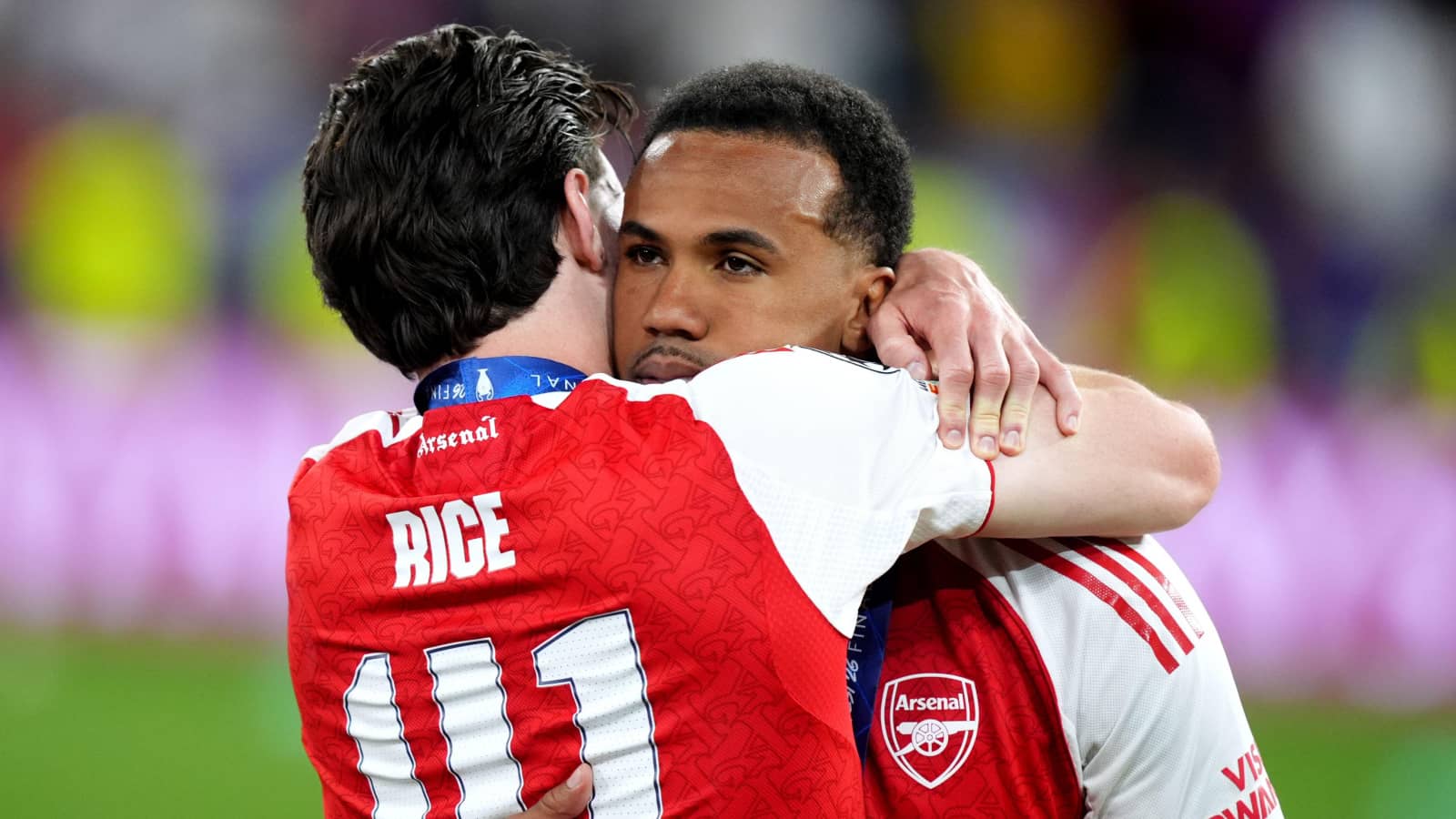
The fallout from Arsenal's Champions League final loss to PSG on penalties has dominated discussion, with supporters sharply divided on whether the Gunners' defensive masterclass represented smart football or a travesty for the game itself.
The numbers tell a stark story: Arsenal managed just 24 per cent possession in the biggest club match in world football. Kai Havertz's early finish proved decisive until PSG equalised from the spot, before the Parisians prevailed in the shootout. It was a night that exposed a fundamental divide in how football fans view the beautiful game.
For many, Arsenal's approach was indefensible. The club spent £1 billion assembling their squad and arrived in Europe as Premier League champions, yet from the opening whistle Mikel Arteta's side retreated into a fortress mentality more befitting a League One team drawn away in an FA Cup tie. The excitement among Arsenal supporters whenever their side won a corner—a telling detail—underscored just how little attacking intent was on display. Even Declan Rice, heralded as a marquee signing, barely registered. The forwards were woeful. For some observers, the only moral victory came in stopping PSG from running riot; anything else was simply damage limitation dressed up as strategy.
Others saw it differently. Arsenal's defensive record throughout the tournament was the competition's best, and they faced PSG's best-in-Europe attack. Why abandon a winning formula? After taking the lead, the logic went, sitting deep and seeing what PSG could offer made tactical sense. The French side controlled possession but created few genuine openings. Ironically, Arsenal was the only team to score from open play. The penalty that brought PSG level came from a clumsy challenge—hardly a clearcut chance. Had David Raya faced a straightforward strike, the outcome might have been different.
The broader question gnawed at observers: had Arsenal won playing this way, would other clubs have attempted to copy the blueprint? Would football have suffered immeasurably? One correspondent noted the irony that PSG, bankrolled by Qatari state wealth to a degree no club has matched, hardly represented football's salvation either. Celebrating their victory as a triumph for the beautiful game rang hollow when the winners themselves embodied everything critics claim is wrong with modern football.
Arsenal's season remained defined by their league success—the Champions League was the bonus, not the objective. Reaching a final and taking PSG to a penalty shootout, unbeaten in normal and extra time throughout the tournament, represented genuine achievement. Yet for Arsenal to win more European trophies, the consensus suggested Arteta must find a way to marry his defensive discipline with greater attacking ambition. The pendulum had swung too far toward caution.
The penalty shootout itself provided its own subplot. Gabriel's placement in the order raised eyebrows, as did the visible anxiety etched across certain faces as players walked from the halfway line. Eze and Gabriel both missed when it mattered most—a lottery that decided the night, though the real question remained whether Arsenal had done enough to deserve a seat at that particular table.
For England fans, the whole affair offered a grim preview of what summer tournaments might hold: an early goal, a retreat into defensive shells, possession surrendered to teams happy to keep the ball, and ultimately, heartbreak on penalties. Sixty years of hurt has a way of repeating itself.
Liverpool's managerial upheaval—Arne Slot's departure announced in what felt like the longest sacking statement ever released—threatened to overshadow even this Champions League epilogue. Yet the Arsenal debate endured: was it a night when pragmatism triumphed over artistry, or when a club with genuine European ambitions failed to show the attacking courage required to win the game's biggest prize?
Compare options