Arsenal Have Stocked the Cupboard, Not Sharpened the Knife
Arsenal's recent 1-0 victory masked a deeper malaise: their problem isn't insufficient talent, but relentless monotony.
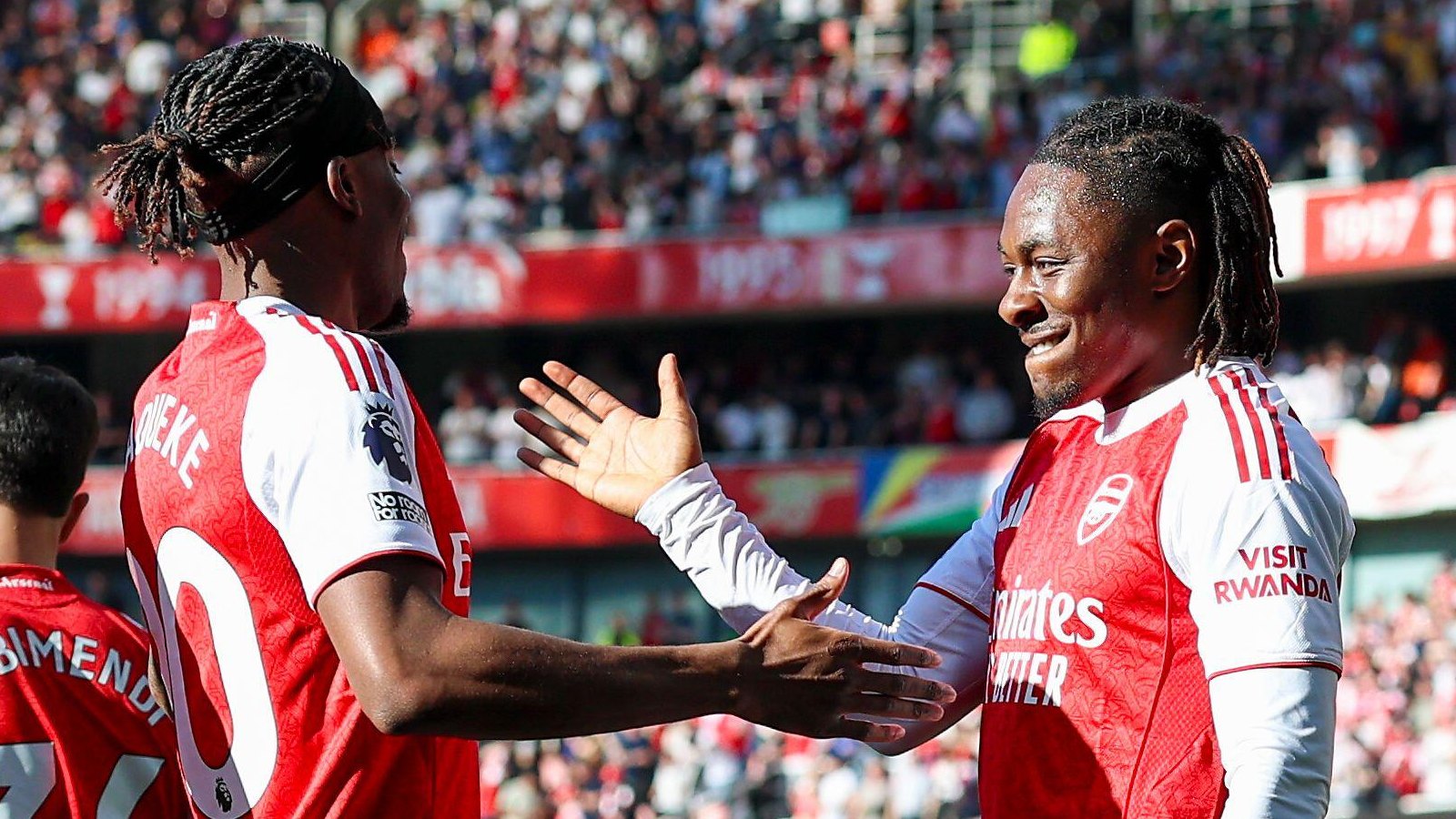
The core attacking contingent—Havertz, Saka, Martinelli, Odegaard, Trossard—remains unchanged from three seasons ago, the very period when Arsenal fell short of championship contention. None have been displaced or substantially upgraded. When Eze, Madueke, and Gyokeres arrived, they came not as transformative additions but as cautious backups. Madueke hasn't unsettled Saka. An inspired Eze doesn't outshine a firing Odegaard. Gyokeres, filtered through Arteta's system, hasn't delivered the quantum leap promised. In each instance, they're sideways moves at best—lateral rather than vertical.
Liverpool's blueprint under Klopp proved entirely different. The Reds didn't merely accumulate depth; they built layers of genuine elite talent. Salah, Mané, and Firmino reached rarefied heights, then a supporting cast of Jota, Origi, Gakpo, Diaz, Shaqiri, and Nunez provided tactical flexibility—different shapes, different threats, different ways to dismantle opponents. City have followed identical principles across a decade, most recently incorporating Cherki into their arsenal of possibilities.
Arsenal have done none of this. Their forward line never reached Liverpool or City levels of excellence, yet the new arrivals have failed to elevate it. When Arteta reaches for an attacking substitution, the picture barely shifts. The movement stays identical, the shape mirrors what came before, the tempo remains constant. He leans on individual moments and set-piece execution because his squad offers no alternative, and his instinct gravitates toward control rather than adaptation.
The attacking unit lacks variety by design, and that responsibility lies with the manager. Arsenal haven't strengthened their attack despite three years of falling short. They've made it more robust against injury, nothing more. The same tactical weapon, deployed with greater caution. Arteta has expanded the roster without introducing difference. It's repetition dressed up as progress.
One reader noted Arteta has cycled through 21 different front-four combinations across 34 league games this season—a statistic that cuts both ways. It illustrates the injury management challenge, certainly, but it also underscores why the attacking football feels formulaic and predictable. The team hasn't had stability enough to develop a coherent attacking identity, yet when players do return, that identity remains the same narrow band of possibilities.
The margin between success and failure has narrowed considerably. Arsenal sit atop the table, but the psychology of repeated setbacks—injuries striking just as rhythm builds, crucial decisions seemingly going against them—weighs heavily. Arteta's squad lacks the experience of winning under pressure, and that inexperience compounds every setback. Whether that proves decisive remains the season's central question.
Compare options