Arsenal v Chelsea Slammed for Joyless, Mechanical Football and Embarrassing Celebrations
After sampling a weekend diet of continental football—Der Klassiker delivered genuine thrills, Celtic-Rangers proved properly competitive, Inter's clinical 2-0 dismantling of their rivals held genuine tension, and Roma-Juventus served up an end-to-end 3-3—the Arsenal versus Chelsea encounter landed with all the appeal of yesterday's dishwater.
The Manchester United fixture proved similarly anaemic. Yet here's the puzzle: these aren't mediocre players operating at third-tier standard. They're well-compensated professionals at elite institutions, so the blame must rest elsewhere.
What passes for football in these fixtures has become suffocatingly rigid. The creative spark has been systematically extinguished in favour of mechanical pragmatism. Every tactical nuance points toward one objective: the final score. Entertainment? That's apparently negotiable. Risk-taking? Forget it. The obsession with packing the six-yard box during set pieces borders on the pathological, transforming matches into something resembling medieval siege warfare rather than sport.
Continental sides, meanwhile, play with genuine freedom. They take calculated gambles. They don't sacrifice the entire attacking third to suffocate opposition play. The difference is stark and damning.
The managerial approach deserves scrutiny here. Some operators appear so consumed with micromanagement they've forgotten they've got coaching staff and players capable of retaining instructions. These touchline theatrics—the animated gesturing, the constant remonstrations—feel less like tactical nous and more like anxious parenting. Is this ownership pressure manifesting itself? Does the astronomical wage bill and transfer expenditure create such suffocating pressure that only results matter?
The European model suggests otherwise. Better-resourced clubs abroad still manage to play with flair and freedom. The notion that English football requires such suffocating tactical shackles simply doesn't hold water when you watch continental football operate at the highest level.
There's a cultural element too. Remember the tiresome criticism levelled at Sven-Göran Eriksson for his composure? The implication was that not bellowing yourself hoarse somehow betrayed a lack of commitment. That poisonous attitude may still lurk in English football's DNA.
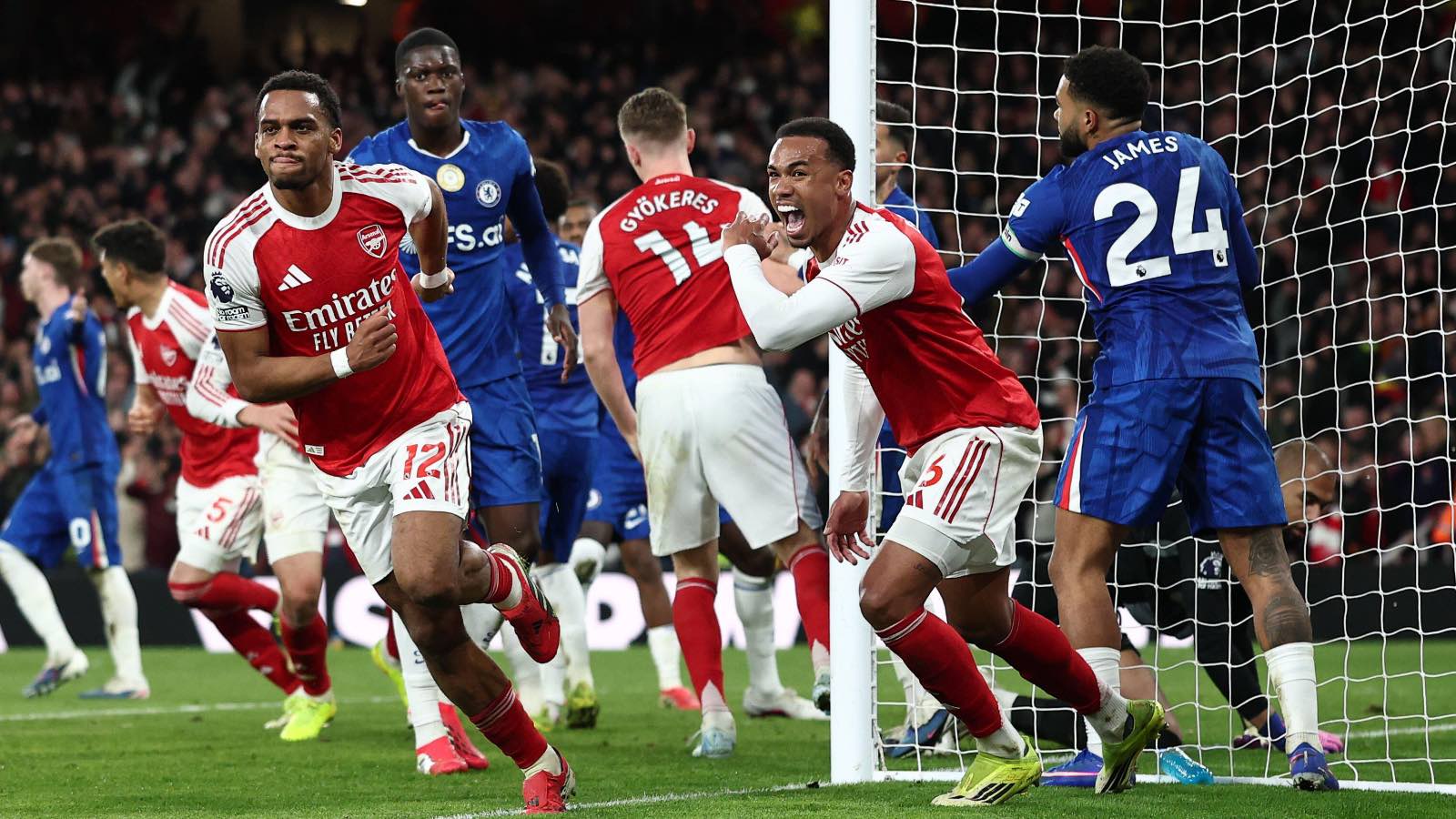
The Arsenal match crystallised everything wrong with the modern Premier League. All three goals arrived via identical six-yard box melees from corners. The celebrations that followed? Utterly incongruous—grown men wheeling away as though they'd orchestrated something approaching brilliance, when they'd merely succeeded in winning a scramble. It looked ridiculous. It looked pathetic. And it's tedious beyond measure.
Set pieces have become a crutch, particularly for these two clubs. Yet the wider trend is unmistakable: the reliance on dead-ball situations has metastasised across the division. Every throw-in generates dread. Every corner becomes an exercise in suffocating boredom.
The theatrical diving, the reflexive moaning, the constant appeals to officials—it all combines to create an impression of weakness rather than commitment. These players come across as fragile, not fierce.
Here's the fundamental issue: English football has inverted its priorities. The Premier League has somehow convinced itself that results trump performance, that pragmatism beats entertainment, that suffocation sells better than spectacle. It doesn't. Not long-term.
Supporters will only tolerate so much tedium before they seek alternatives. The continental leagues are offering precisely that—alternatives. Coupled with VAR's grinding interventions, the Premier League's premium positioning looks increasingly absurd. Gary Neville summed it up perfectly: "Arsenal are going to just get over the line…and that's all that matters." That's precisely the problem. It shouldn't be.
Even mid-table sides rarely provide entertainment these days. Spurs offer a masterclass in how to make football unwatchable. The malaise has been building for years, but it's reached a nadir now.
If this trajectory continues—if every match becomes progressively more lifeless than the Scottish Premiership's four-way title scrap—English football will have achieved the remarkable feat of killing the golden goose. The product will become genuinely uncompetitive against continental alternatives, regardless of how much hyperbolic commentary gets deployed to dress it up as something worthwhile.
Compare options