Saka's New Deal Signals Arsenal's Evolution Beyond the Wenger Years
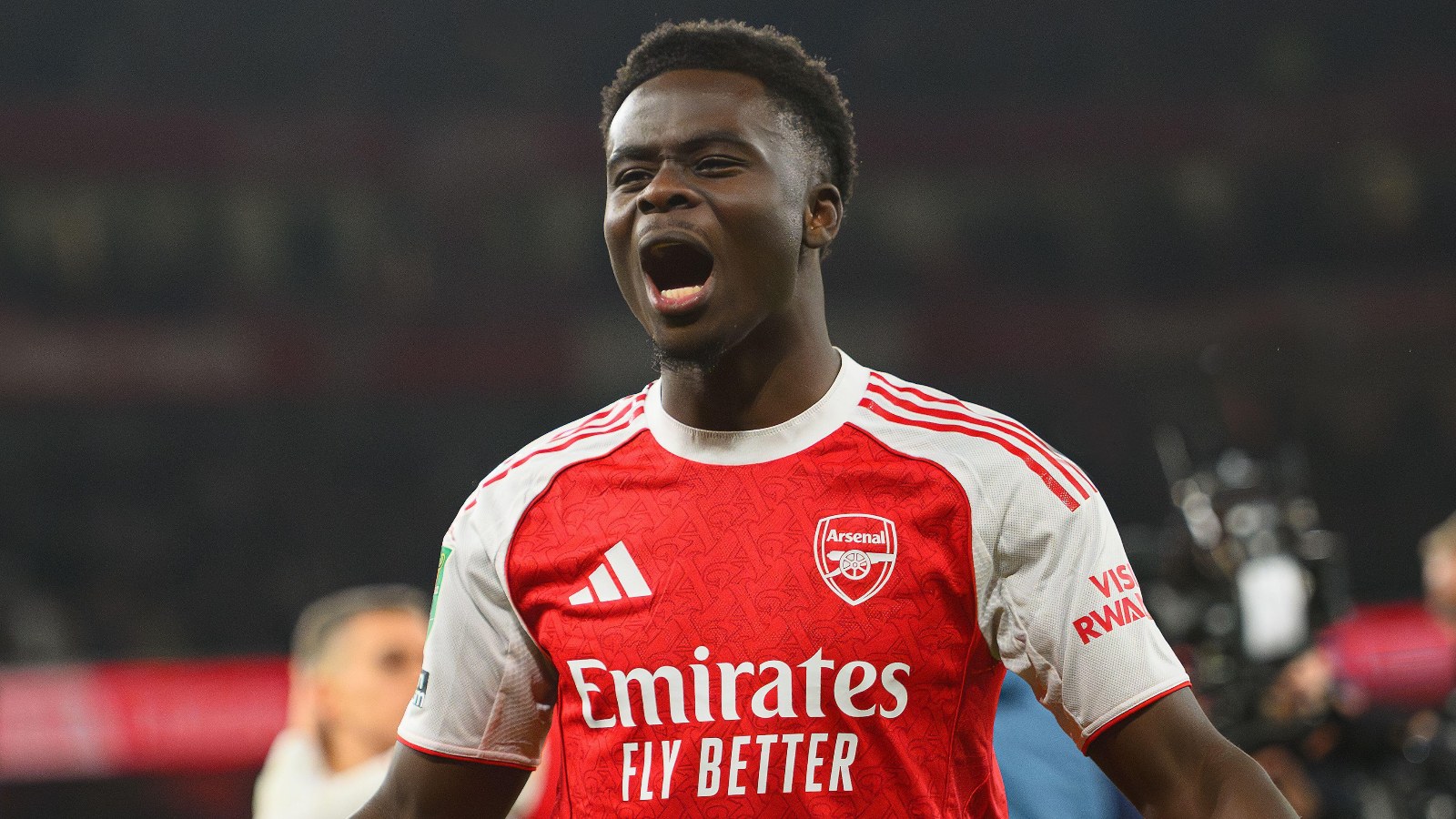
The contrast could hardly be starker. During Arsene Wenger's final years in charge, Arsenal occupied a peculiar position in English football's pecking order. By traditional measures—trophy cabinet and institutional stature—they remained a heavyweight. Yet somehow they couldn't keep hold of their best talent. Cesc Fabregas departed for his childhood club. Robin van Persie concluded the title would never arrive and decamped to Old Trafford. Alexis Sanchez followed a similar thought process, though his destination differed. The club found itself trapped in stagnation, presiding over a revolving door of departures.
Then came Bukayo Saka through the academy ranks.
Everything about him ticks the boxes Arsenal supporters crave. Homegrown. Genuinely elite talent. By all accounts, a thoroughly decent bloke. The club has now handed him a five-year extension that will carry him through his prime years—a statement of intent that couldn't be clearer.
This isn't merely contract maintenance. Arsenal have positioned Saka as their franchise player, a term borrowed from American football denoting the star upon whose shoulders a club's fortunes rest. New arrivals will earn salaries at best matching his, such is the emphasis on establishing him as the club's undisputed number one. It's a philosophy that extends across the squad: William Saliba and Gabriel both renewed last summer, while prospects Ethan Nwaneri and Myles Lewis-Skelly are locked into lengthy deals. Any first-team regular carries a contract extending at least to 2028.
The timing worked in Arsenal's favour. With the club sitting atop the Premier League, still competing in both domestic cups, and topping the Champions League league phase, the negotiating position couldn't have been stronger. Saka's genuine affection for his boyhood club helped, though the player and his representatives clearly understood Arsenal would accept virtually any reasonable demand. The prospect of Madrid or Manchester City circling would have hastened matters considerably.
The deal reportedly lifts Saka to £300,000 weekly—a £100,000 increase—positioning him among the league's elite earners. Joint-fifth highest, in fact. Yet here lies the rub: every player above him has collected multiple league titles.
Consider Mohamed Salah, currently enduring criticism for an underwhelming campaign. His 10 goal contributions still exceed Saka's tally by three. The young Arsenal winger has managed just seven goals across 33 appearances, averaging 0.61 goal contributions per match—identical to teenager Estevao and former Aston Villa fringe player Donyell Malen.
This statistical stagnation fuels suggestions, notably from Jamie Carragher, that Arsenal lack a genuine superstar. Saka's absence from last year's top-30 Ballon d'Or voting speaks volumes.
Injuries and increased defensive attention offer partial explanations, yet the fundamental expectation remains unchanged. History's greatest attacking talents didn't accumulate their reputations through modest output. The compensation Saka now receives demands corresponding returns in the final third.
Arsenal have made their wager: this contract represents faith that he'll evolve from prospect into sustained performer. The club's obligation is straightforward—capture silverware. Saka's challenge proves trickier, but also quantifiable: produce the goals and assists his wage packet demands.
Compare options