Arsenal's Meltdown Moment: Why Rival Fans Are Entitled to Their Schadenfreude
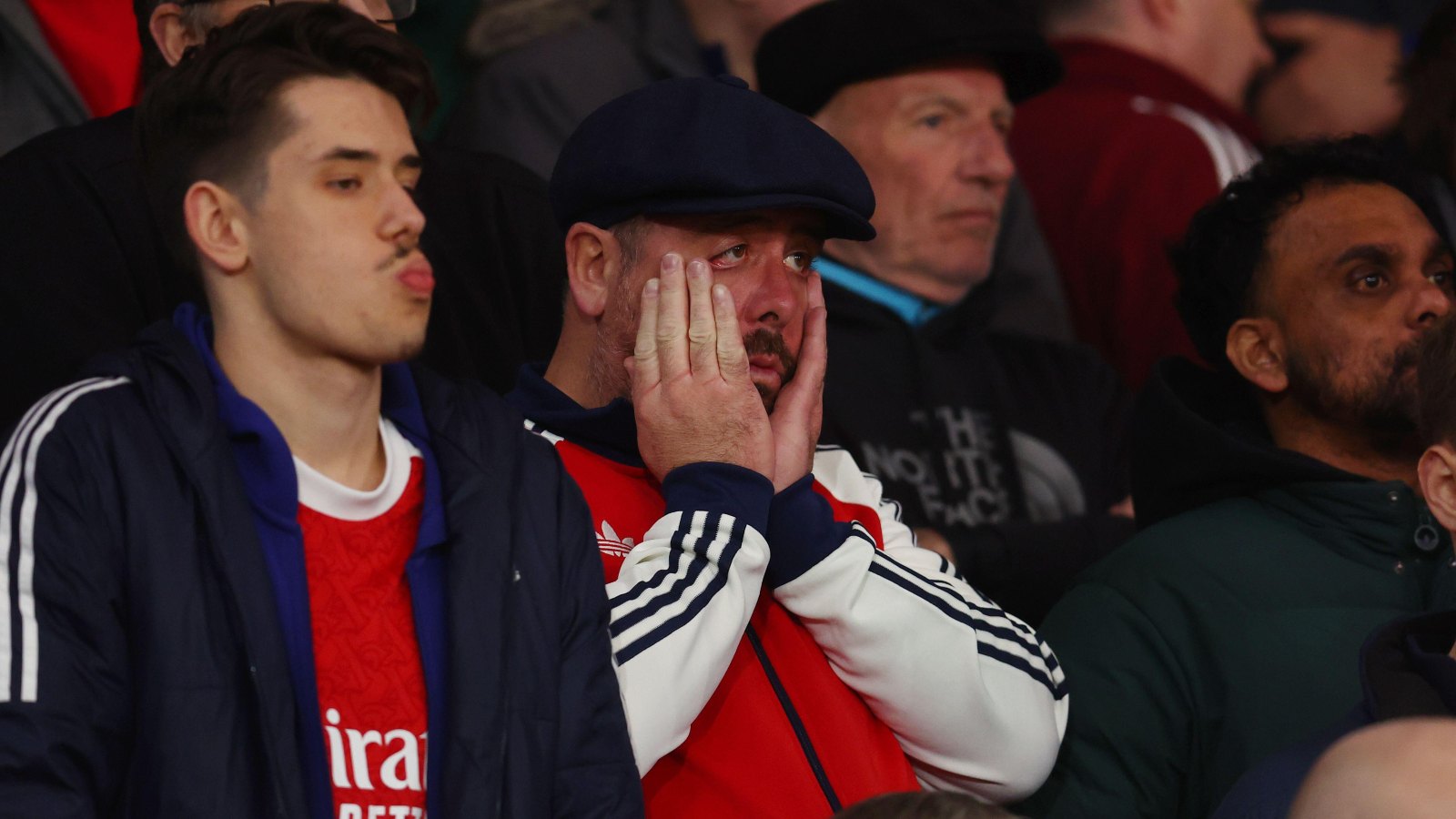
The question hanging over English football this morning is a familiar one: will Arsenal manage to throw it all away? And more intriguingly, should non-Gunners fans actually care about enjoying their potential collapse?
Let's deal with the easy bit first. Will Arne Slot resign? Almost certainly not. Managers rarely walk away voluntarily—they tend to engineer their own sacking through spectacular post-match tantrums, but the payoff always comes first. The real questions are trickier.
Could Arsenal still pull this off? Probably, if results break right over the coming weeks. One foot in the Champions League semi-finals and a 12-point Premier League cushion remains entirely plausible. But that doesn't stop the narrative spinning in the opposite direction entirely.
Here's where it gets interesting: is it actually acceptable for opposing fans to revel in Arsenal's current woes and potential greater disasters ahead?
The honest answer is yes—and there's nothing remotely new about it.
The Arsenal Factor
Yes, if Liverpool, Manchester United, Chelsea, or City occupied this particular hot seat, there would still be mockery aplenty. But let's not pretend the schadenfreude isn't particularly sharp when it's Arsenal. There's something about the North London club that amplifies the noise.
Over recent years, a potent cocktail of ingredients has created this perfect storm: self-assurance bordering on arrogance, relentless managerial personality, and above all, the recurring theme of near-misses without silverware to show for it. The Online Arsenal Fan—that instantly recognisable character who exists in outsized proportion to their actual numbers—has become a cultural shorthand. Not all Arsenal supporters are like this, obviously, but the caricature persists because there's enough truth in it to stick.
The media bears responsibility too. We all chase narratives, we all love a story arc with heroes and villains. In doing so, Arsenal have somehow become synonymous with things that are utterly generic across football: defensive set-piece efficiency, occasional boring-but-effective football, failing to win every match, over-celebrating, believing officials are conspiring against them, having an eccentric manager, and now withdrawing players from meaningless friendlies for petty reasons.
None of this is unique. All of it is now attributed primarily to Arsenal.
The Spurs Precedent
The moment this crystallised came a couple of weeks back when Tottenham supporters were filmed celebrating Arsenal's Carabao Cup final defeat to Manchester City—this happening mere hours after Spurs themselves had been hammered 3-0 at home by Nottingham Forest in a crucial relegation battle.
The mocking response was swift: how could they celebrate anything while their own season crumbled? Fair question. But there's something almost admirable about it too. Here were fans finding a sliver of light in their own darkness, deriving a moment of joy from rival suffering when their own circumstances offered precious little else.
This isn't controversial. It's not even unusual. It's football.
The Nature of Fandom
Yes, finding joy only in others' failure is arguably a hollow kind of happiness. But for Spurs supporters enduring their current nightmare, it's also what they've got. If Arsenal losing a cup final provided them temporary relief from their own misery, who are we to judge?
The predictable counterargument surfaces: "How can you care more about Arsenal losing than your own club winning?" But that's not what's happening here. Show us a Spurs fan who wouldn't trade Arsenal's title ambitions for their own survival, and we'll show you someone talking nonsense. These aren't connected outcomes. City winning the Carabao has no bearing on Spurs' fight against relegation.
This is simply banter-based football fandom. Had Spurs won that day and Arsenal gone on to claim the league, Gunners supporters would have revelled in it entirely correctly. They would have mocked Spurs mercilessly. They would have recalled, accurately, that they've won titles on their rivals' turf before.
Picture this: Arsenal clinch the Premier League, then lose to West Ham on matchday 36, sending Spurs down in the process. The London Stadium would erupt. Arsenal and West Ham fans would celebrate together. The suffering would be immense for Spurs supporters, yes—but that wouldn't diminish the joy one bit.
The Core Truth
Here's what shouldn't be controversial: football fandom has never been exclusively about your own team. The rivalries, the competitions, the chance to see others fail—these things enhance the entire experience. They make it intoxicating.
Caring more about others' misfortune than your own success probably isn't psychologically healthy. But that's not actually what's happening. No Spurs fan was genuinely happier about both their club and Arsenal losing than they would have been had both won that day.
That said, those supporters who managed to extract something positive from a dreadful afternoon weren't wrong or unusual. They were simply being football fans.
The alternative—genuinely interested only in your own team's success, deriving no pleasure whatsoever from a rival's suffering—puts you dangerously close to the sort of person who says "I like to see all English teams do well in Europe." Nobody wants to be that person.
Fans enjoying the prospect of another Arsenal collapse are the same ones who'd relish Spurs getting relegated. It's all part of the same tapestry.
Schadenfreude isn't new, uncommon, or even unappealing in football. It's always been central to the experience. Just like everything else Arsenal apparently invented single-handedly over the past two years.
Compare options