Arsenal's Fortress Falls: How Carrick's United Turned the Title Race on Its Head
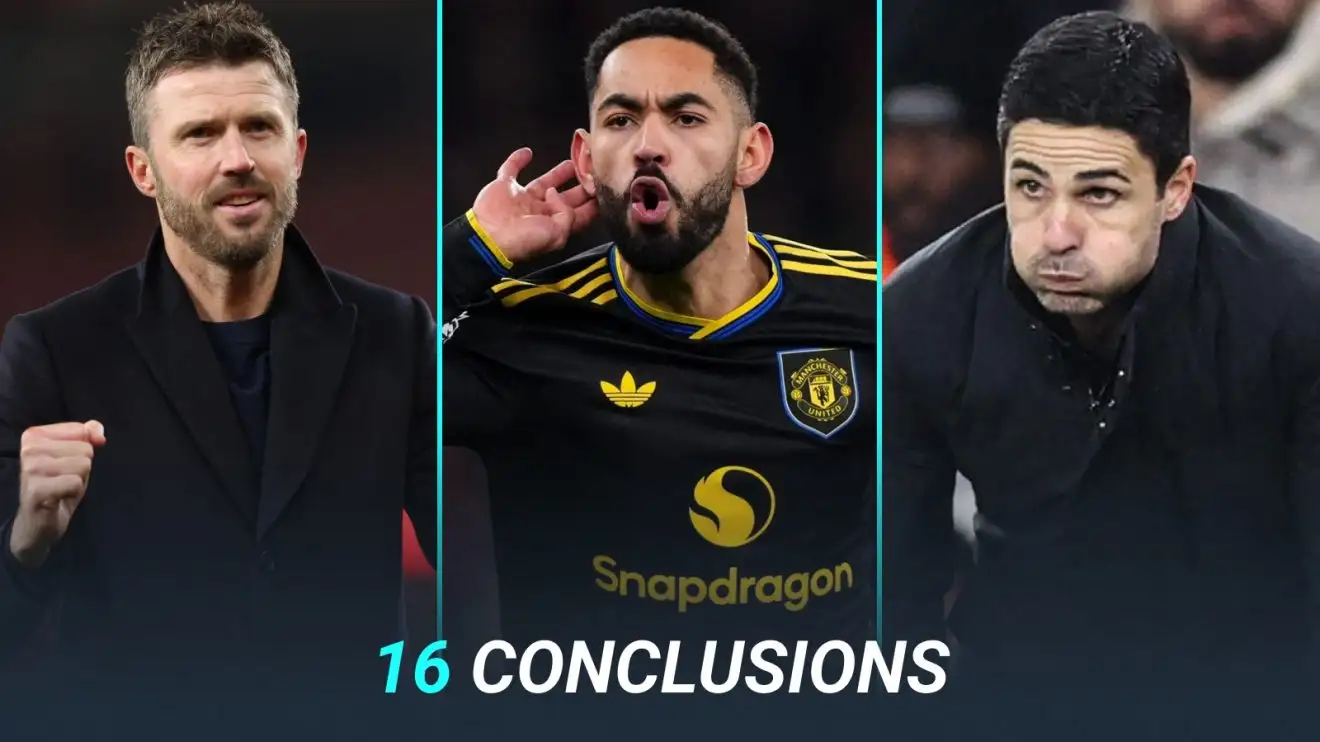
In just a fortnight, Michael Carrick has managed something rather remarkable: he's taken Manchester United from a club drowning in self-doubt, beaten both Manchester City and Arsenal, and left the Premier League's landscape looking fundamentally different. Yet paradoxically, the title race remains precisely where it was before—except now Arsenal are glancing nervously over their shoulder.
Carrick's appointment has unleashed a familiar narrative that will dominate the airwaves for days. The interim manager arrives, changes are made, and suddenly a team that looked broken starts functioning again. Whether you buy into the talk of United "DNA" and club heritage or not, one thing is undeniable: the contrast between this performance and what came before is damning for his predecessor.
The formula Carrick employed was almost insultingly straightforward. Restore Harry Maguire to the XI. Trust Kobbie Mainoo in midfield. Adjust the formation. Deploy players in positions where they might actually succeed. None of it required genius; all of it required common sense. What's staggering is how transformative these obvious decisions have proven in such a compressed timeframe. United have genuinely looked good, though it's worth noting their victory here leaned heavily on two moments of individual brilliance rather than tactical masterclass.
Arsenal, meanwhile, find themselves wrestling with a question that haunts their fanbase: are they doing it again? The curse of their recent history means that even with a four-point cushion atop the table, there's a palpable anxiety whenever results elsewhere go against them. They arrived at the Emirates seeking to respond to victories from Manchester City and Aston Villa, but instead found themselves unravelling in ways that felt uncomfortably familiar.
The opening period painted a curious picture. Arsenal dominated possession and territory with an almost eerie sterility—22 passes in the final third to United's zero at one stage—yet created precious little of substance. When Lisandro Martinez inadvertently deflected the ball in off his standing leg, it felt less like the inevitable consequence of their control and more like the only goal that might materialise from their suffocating but toothless approach.
United's response came swiftly. Bryan Mbeumo, who's quietly become one of the season's finest acquisitions, seized on a calamitous Arsenal backline error. Martin Zubimendi, typically the epitome of reliability, made a hash of a backpass after receiving a dangerously-paced pass, and Mbeumo finished with characteristic style, rounding David Raya to score his 50th Premier League goal. His first season return—victories at Anfield and the Etihad among his highlights—represents remarkable value, particularly given his absence during Arsenal's dispiriting New Year draw sequence.
What might have been forgiven as first-half nerves only worsened after the interval. United grew in confidence, and Arsenal seemed to shrink further. Then came Patrick Dorgu's moment of madness—or genius, depending on your perspective. A spectacular, arcing finish that Gary Neville called "a goal of a lifetime" put United into an unlikely 2-1 lead. These are precisely the sort of goals that materialise when you gift opponents unnecessary encouragement.
Desperate times called for desperate measures. Arteta threw four substitutes at the problem just before the hour mark—Mikel Merino, Eberechi Eze, Ben White, and Viktor Gyokeres. The latter's introduction drew conspicuous cheers, a pointed reminder to Gabriel Jesus of the competition for his position. The changes did inject some energy, though whether that was the substitutions themselves or simply the crowd's renewed hope remained debatable.
Arsenal found their equaliser in the most Arsenal way imaginable: a corner, Merino bundling it home, goalline technology confirming it. The Emirates erupted. Surely, you thought, this is where champions respond. Surely this is where the narrative turns.
It didn't. Instead, Matheus Cunha curled home from 25 yards with the precision of someone placing a tap-in, securing a late winner that sent United into the top four with back-to-back victories over genuinely elite opposition. That United managed this while dressed in their 1994 retro kit—a wonderful Eric Cantona tribute—only added to the sense of theatre.
The statistics tell their own story. Arsenal suffered their first home defeat of the season. They lost the 24-game unbeaten run when scoring first across all competitions. They conceded three Premier League goals for the first time since a 4-3 win over Luton Town in December 2023. It's a sobering collection of records to surrender in one afternoon.
Yet perspective matters. Two of United's goals were genuinely outstanding strikes—the sort that don't come around often. The third was a gift. Arsenal remain four points clear and heavy favourites for the title. Nothing is fundamentally broken, though the psychological damage of this defeat—combined with the familiar pattern of capitulation it represents—may prove more significant than the three points conceded.
For United, February suddenly looks remarkably kind. Fulham, Tottenham (home), West Ham, and Everton await, a sequence that could define whether Carrick's early success proves sustainable or merely a pleasant interlude. They've eliminated two of the season's most dangerous opponents from their fixture list; if they can avoid the classic trap of beating the big sides only to stumble against lesser ones, there's genuine cause for optimism at Old Trafford.
Arsenal, meanwhile, must quickly rediscover the certainty that's defined their season. The margin for error has just become considerably smaller.
Compare options