Arsenal's Collapse Provokes Schadenfreude – But Should We Care?
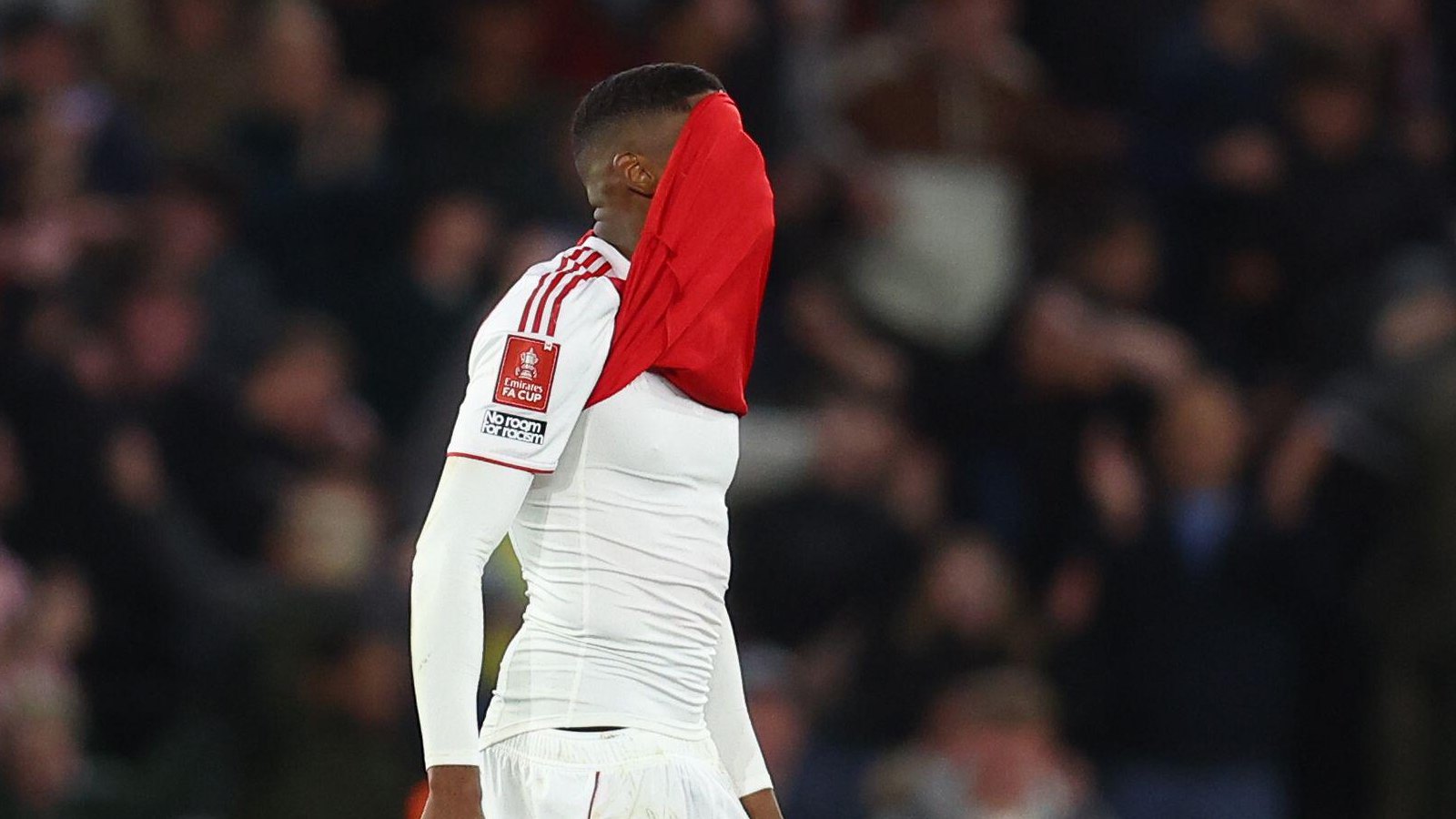
Arsenal's latest setback has triggered the predictable cascade of gleeful headlines and social media pile-ons. The narrative of imminent collapse – complete with its own portmanteau – dominates the discourse far more compellingly than their title-leading form ever did.
There's something worth examining in this phenomenon. The schadenfreude appears almost universal, with supporters across the league finding entertainment in the Gunners' struggles and the accompanying criticism of their players and management. Yet it raises an uncomfortable question: why does failure generate more cultural currency than success?
Every club in the Premier League could attract similar opprobrium if circumstances aligned differently. That Spurs, Liverpool, or Manchester City could be subjected to identical treatment seems almost certain. The intensity of the backlash feels disproportionate to any specific transgression, suggesting something more systemic at play.
The Southampton victory over Arsenal provided genuine entertainment value, certainly. But beyond that momentary satisfaction, the extended narrative of potential capitulation feels hollow. Arsenal conduct themselves no differently from their rivals, nor do their operational methods or financial backing set them fundamentally apart from the rest of elite football's established order.
This satisfaction in others' misfortune extends beyond Arsenal specifically. It manifests in match-day atmospheres where opposition supporters face jeering not primarily for their team's failures but as celebration of those failures themselves. The distinction matters: it's a shift from "we've scored" to "you've conceded" – a fundamentally different emotional register.
That this represents a departure from football's historical norms seems evident. When did the pleasure derived from rivals' pain begin to outweigh pride in one's own team's achievements? The change appears both visceral and widespread.
Some attribute this to economic resentment – the visible excess of elite players and managers funded through systems that ordinary supporters find increasingly alienating. The conspicuous consumption, the celebrity endorsements, the perceived indulgence – all of it registers as unearned largesse. Yet this remains the foundational model of modern football. Objecting to such inequality while remaining invested in the sport creates an inherent contradiction.
Perhaps this reflects broader societal trends. Contemporary culture certainly seems inclined toward celebrating failure and diminishing success, often unconsciously. If that's the case, football merely mirrors wider attitudes rather than originating them.
But accepting this as inevitable – as simply the new normal – risks endorsing something corrosive. Finding happiness in unhappiness ultimately leads nowhere productive.
The indifference position – neither celebrating Arsenal's potential success nor revelling in their potential collapse – might represent the healthier response. Yet expecting neutrality from football supporters probably represents unrealistic idealism.
Compare options