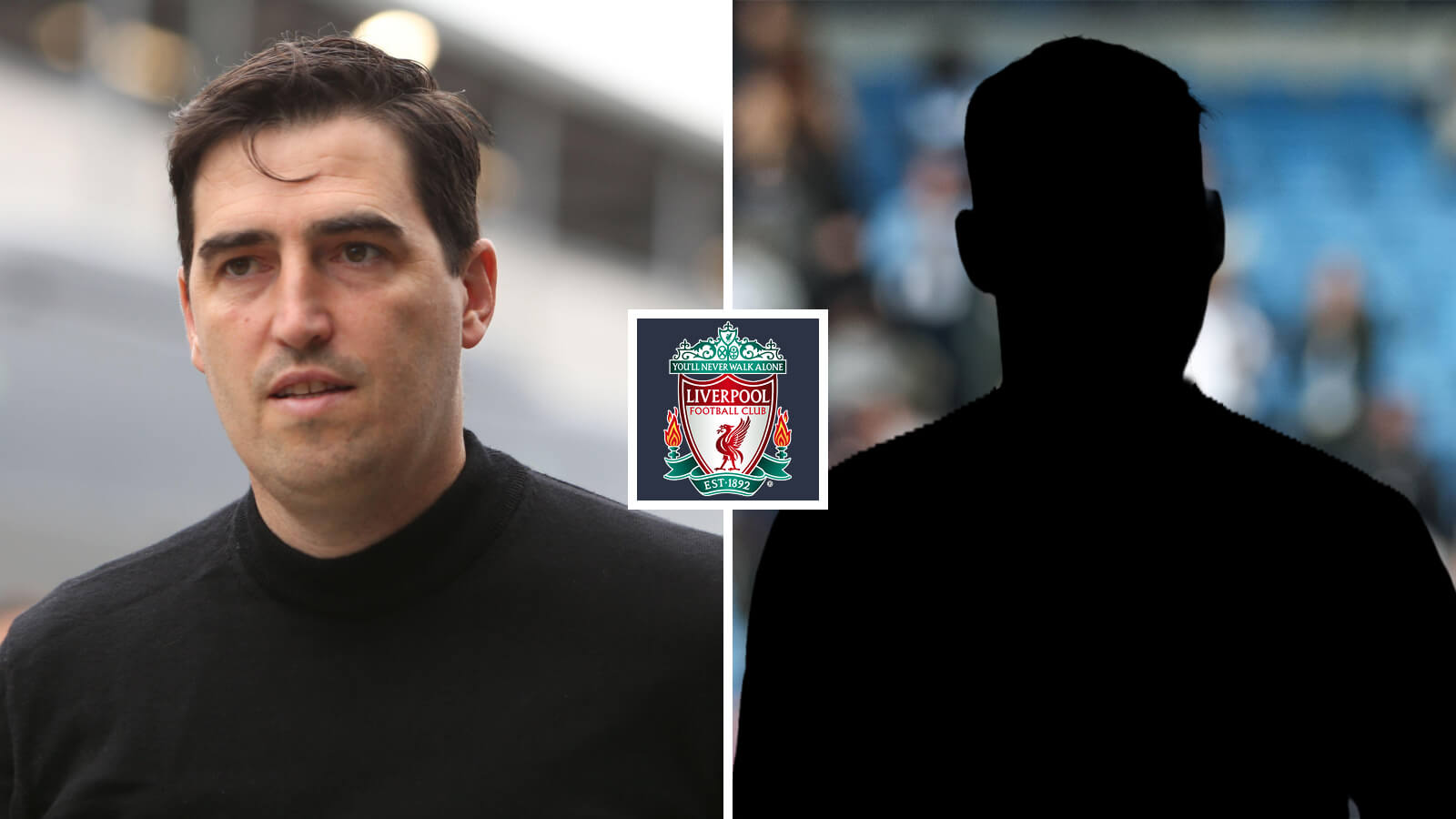
Xabi Alonso's Availability Poses Uncomfortable Questions for Liverpool and Slot
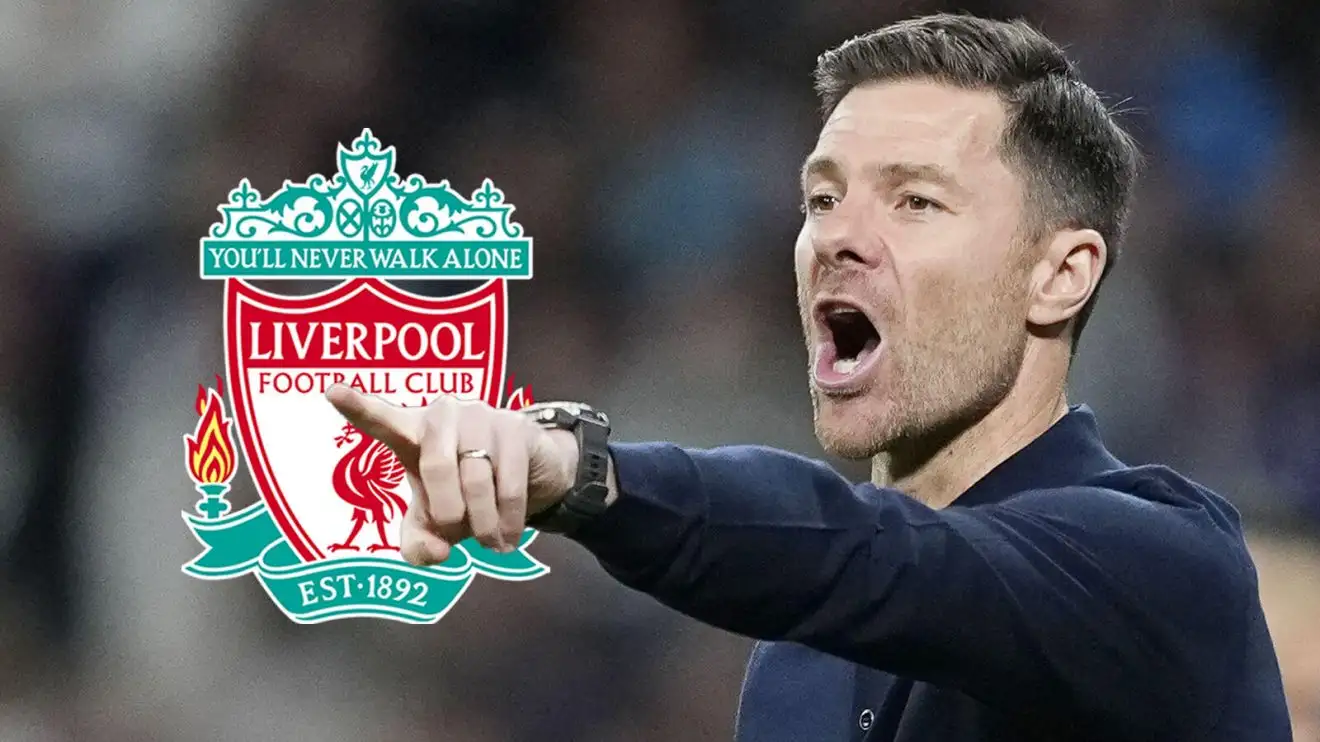
The timing could hardly be worse for Arne Slot. Just as Liverpool's season has hit turbulent waters, Xabi Alonso finds himself available—a development that's naturally set tongues wagging on Merseyside about what might have been, or indeed what might yet come to pass.
Liverpool's 4-1 victory over Barnsley this week offered only a flattering scoreline. The performance itself was pedestrian, with the gap only properly opening when Barnsley chased an equaliser. The underlying narrative remains troubling: a team struggling to find its rhythm, consistency, or clear identity.
The Case Against Slot (And Against Him)
Assessing Slot's culpability requires nuance. Several factors have genuinely conspired against the manager. Key personnel—Konate, Mac Allister, Salah, Gakpo among them—have simply underperformed, a development largely beyond managerial control. The injury toll has been savage: Bradley, Frimpong, Isak, and Leoni have all suffered serious setbacks, forcing uncomfortable compromises like deploying Szoboszlai at left-back to the detriment of midfield solidity.
The summer recruitment strategy, meanwhile, presents a mixed picture. Ekitike emerged as the sole unqualified success, whilst Wirtz, Kerkez, and Frimpong required considerable time to settle. Isak's early anonymity was interrupted by injury. These are expensive, talented players—some with pedigree (Isak and Kerkez both featured in the previous season's Premier League team of the year)—yet their integration proved problematic.
However, the failings that land squarely at Slot's door are more concerning. Liverpool no longer displays the discernible tactical blueprint that defined Klopp's tenure. Instead, the team resembles Erik ten Hag's Manchester United: reliant on individual moments rather than coherent structure. The team appears physically drained after 70 minutes of pedestrian football. Set pieces—both attacking and defensive—have been abysmal. Squad rotation remains underutilised, with Chiesa, Endo, and Ngumoha barely getting opportunities to ease the burden on exhausted regulars.
The recruitment failures in key areas—centre-back in particular, with the Guehi deal collapsing on deadline day without alternative provision—belong to the recruitment apparatus rather than Slot himself. The loss of Luis Diaz, whose contract was expiring, was a calculated decision rather than mismanagement. And the tragic death of Jota has cast a shadow that extends beyond tactical consideration.
Enter Alonso
The emergence of Alonso as an available candidate carries obvious appeal. His managerial pedigree commands respect. He's someone who could settle quickly—he and his family previously lived in Liverpool. There's a belief he could extract more from Wirtz and Frimpong, and perhaps most temptingly for some supporters, he might deploy Gakpo with rather more restraint than current arrangements allow.
The narrative circulating suggests Liverpool initially offered Alonso the role, only for Real Madrid's Perez to counsel patience with Ancelotti's imminent departure. Now, with Alonso free, speculation is inevitable.
The Broader Picture
Liverpool's collapse represents no single failing but rather a perfect storm: misjudgement in squad building, catastrophic injury timing, underperformance from established stars, and tactical uncertainty. Slot bears responsibility for some elements whilst others remain beyond reasonable managerial control.
Unless Champions League qualification becomes mathematically impossible, expect Liverpool to persist with Slot. The club faces a season of transition—a reality regardless of what some observers might prefer to believe—and transition seasons carry disappointment.
For now, Slot remains in place. But Alonso's availability has certainly sharpened minds about what might follow if matters don't improve.
Compare options