Slot's Personality Problem, Arsenal's Title Charge, and the AFCON Chaos That Entertained Us All
The Slot Conundrum: Personality Versus Pragmatism
Liverpool's managerial transition remains the elephant in the room for many supporters. Following Saturday's failure to overcome Burnley at home, one correspondent has articulated what many have been thinking: Arne Slot cuts a peculiar figure compared to his predecessor.
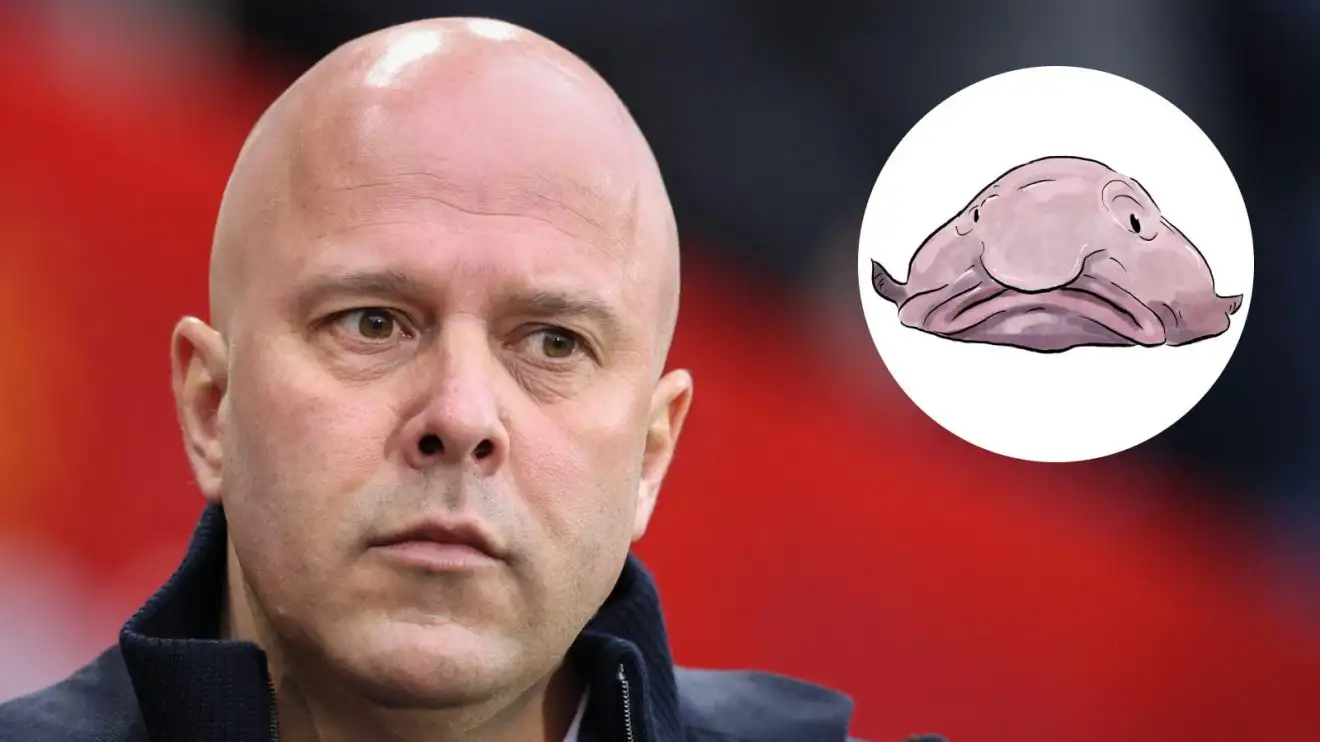
Where Jürgen Klopp embodied inspirational leadership—the sort of manager you'd gladly buy a pint for—Slot presents as his polar opposite. His post-match interviews are exercises in measured tedium, while his team's tactical approach mirrors this aesthetic restraint. One fan's colourful assessment: the Dutch manager resembles "a human blobfish," his featureless demeanour sucking the oxygen from the room.
Yet patience may still be warranted. Following Klopp was always destined to feel like a comedown—he remains a singular figure in modern football, impossible to replicate. Any successor would struggle with such an act to follow. Slot's appointment came after Liverpool's title triumph last season, a fact worth remembering when judging the current malaise.
Injuries and squad adjustments have clearly impacted performances. Changing managers rarely fixes such structural problems; it typically compounds them. The argument goes: give him until next January, when any assessment will carry considerably more weight.
The alternative—Xabi Alonso—offers no guarantees either. His Leverkusen success emerged from a perfect storm of circumstances unlikely to repeat. Protest votes for change's sake historically backfire more often than they succeed.
Arsenal's Title Push: Steady Rather Than Spectacular
Seven points clear at the summit, Arsenal's supporters remain fractious despite their commanding position. One fan's detailed squad assessment reveals the tension: the Gunners are creating chances and winning games, yet performances have often felt laboured.
David Raya continues to justify his standing as one the league's finest keepers. Jurriën Timber has blossomed into an elite left-back, consistently troubling opposing wingers whilst contributing meaningfully in possession. Gabriel stands out as arguably the division's finest centre-back—a colossus at the back. Riccardo Calafiori has transformed from a questioned signing into a polished, progressive defender.
Midfield depth presents concerns. Mohamed Elneny has struggled to convince in an unfamiliar role, whilst Mikel Merino's inconsistency—combined with his tendency to play safe—raises questions about his long-term fit. Declan Rice has improved markedly from a sluggish start, proving vital to the team's function.
The attacking third generates frustration. Bukayo Saka's underlying play remains solid, yet his output disappoints. Gabriel Martinelli tops the scoring charts with just a single Premier League goal—a damning indictment of the team's forward efficiency. Leandro Trossard has emerged as the side's most clinical finisher, though his ball retention occasionally tests patience.
Comparisons to Pep Guardiola's Manchester City prove instructive: City's squad appears physically diminished compared to their two-year-old behemoth, yet remain formidable. Arsenal's seven-point buffer represents genuine progress, though consistency in attack remains the outstanding issue.
United's AFCON Red Herring
Ruben Amorim's Manchester United tenure has generated considerable post-hoc excuse-making, particularly regarding AFCON absences. One supporter cuts through the mythology: United's record immediately preceding the tournament departure told the real story.
In the seven matches before players departed for Africa, United managed just two victories. Wins came against Wolverhampton (then the league's weakest side) and Crystal Palace (their only genuinely impressive result). Defeats included a loss to Everton with ten men for most of the contest. Draws peppered the run—hardly the form suggesting automatic improvement upon their return.
Prior to AFCON, United's seasonal record read: seven wins, five draws, four losses. Patchy barely describes it. The notion that absences alone derailed Amorim's tenure ignores the fundamental issue: he simply wasn't winning enough matches.
The real test for incoming manager Ruben Carrick lies in addressing Amorim's tactical Achilles heel: teams parking the bus. His predecessor possessed no Plan B against defensive organisation, a recurring problem throughout his tenure.
AFCON's Beautiful Chaos
Whilst some dismissed the African Cup of Nations final as peripheral entertainment, others found it genuinely captivating. The closing ten minutes delivered everything the Premier League couldn't: drama, controversy, and sheer unpredictability.
Senegal's disallowed goal for an alleged corner foul appeared dubious at best. The referee's immediate whistle prevented VAR intervention—a procedural failure rather than a clear decision. Morocco's subsequent penalty saw Brahim Diaz theatrically collapse before executing a famously dreadful Panenka attempt. According to reports, Diaz later claimed he deliberately missed, believing it dishonourable to score—a claim that strains credibility.
Senegal's players departed the pitch in protest. Gesticulations flew between benches like an Italian sign-language convention. Extra time followed. A lovely winning goal eventually settled matters.
This wasn't polished football. It was gloriously messy, controversial, and utterly compelling—everything the Premier League's recent matches failed to provide. Sometimes entertainment matters more than technical perfection.
The Broader Concerns
Beneath the weekly football discussion lurks a deeper anxiety: the sport's politicisation. With American ownership proliferating across the Premier League, questions arise about whose interests get prioritised. The 2026 World Cup in North America presents a peculiar moment for European reflection.
Should UEFA nations boycott? The argument holds weight: Europe commands eight of the world's ten highest-ranked teams. Yet such action carries enormous consequences for players, smaller nations, and genuine fans caught in geopolitical crossfire.
The creeping Americanisation of football—Superbowl-style half-times, league matches transplanted across continents, MVP-style favouritism—suggests a sport increasingly shaped by commercial rather than sporting logic. Whether that constitutes genuine threat or mere evolution remains fiercely contested.
What remains certain: football's relationship with power continues evolving in ways both fascinating and troubling.
Compare options