Amorim's Exit: The Winners and Losers from Manchester United's Latest Managerial Meltdown
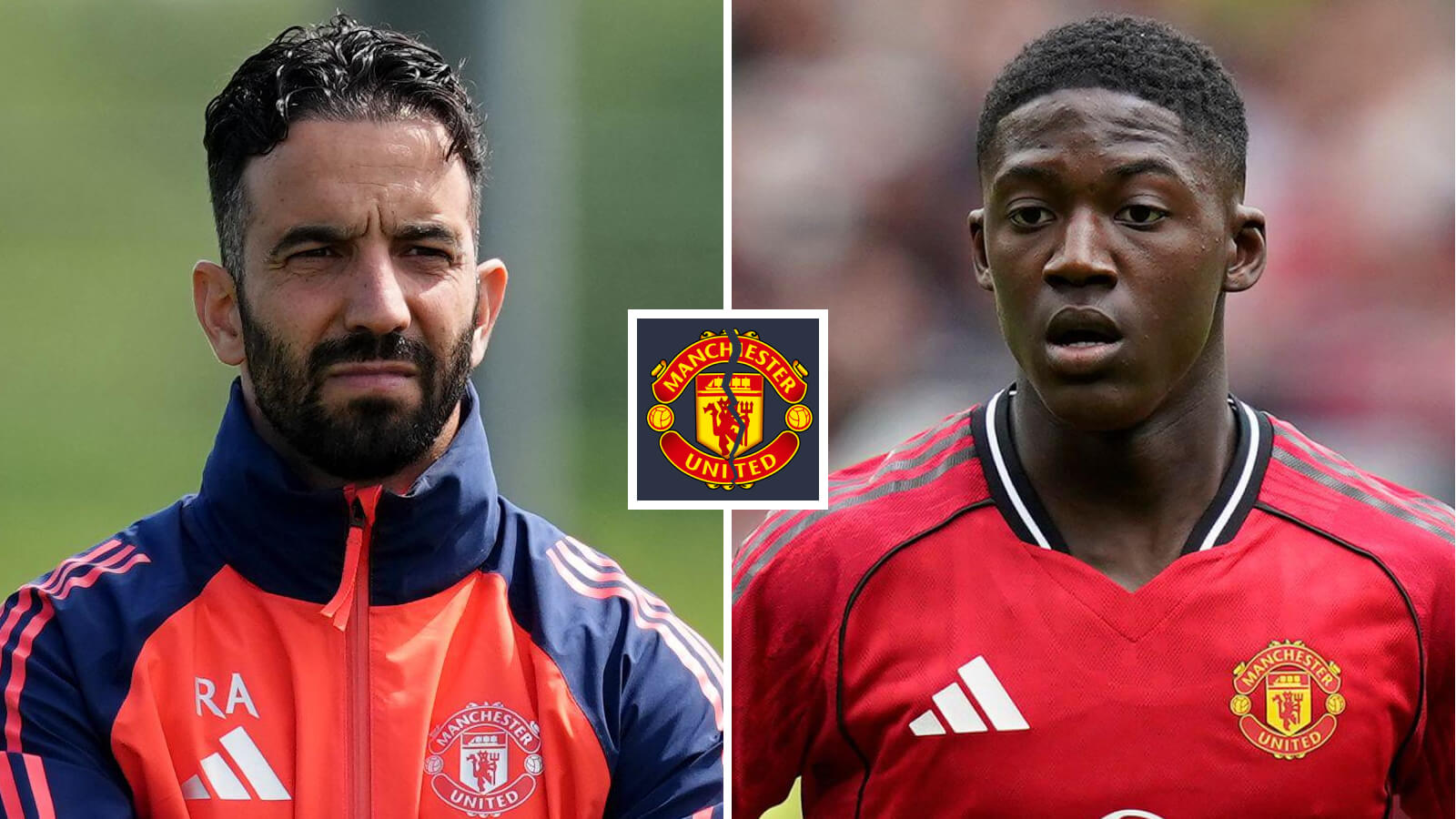
After 63 largely unremarkable matches at the helm, Ruben Amorim has been shown the exit door at Manchester United. The fallout from his departure reveals clear winners and losers in what has become yet another chapter in the club's prolonged identity crisis.
The Winners
Kobbie Mainoo
The England international has endured a peculiar exile under Amorim's watch. Despite starting a European Championship final less than 18 months ago and appearing in an FA Cup final shortly after, the 20-year-old has been starved of meaningful minutes this season—only granted more than 45 minutes in a single match beyond the Grimsby fixture.
Amorim's cryptic December comments about Mainoo being "the future of Manchester United" while simultaneously insisting he simply needed to "wait" summed up the contradictory approach. The midfielder's dignified silence throughout has earned him a fresh opportunity under interim boss Darren Fletcher, positioning him to finally address the gaping void in United's midfield.
Dan Ashworth
The irony is delicious. Ashworth was ousted over a year ago for daring to question whether Amorim represented the right appointment. He departed with a £4.1m severance package and has since landed the FA's strategic oversight role—precisely the kind of systems-driven, structural thinking Manchester United desperately require.
INEOS ignored his reservations, proceeded with the Portuguese appointment, splurged around £250m on Amorim's signings, and then sacked him anyway. Ashworth's vindication comes with the bonus of not having to preside over the wreckage.
Ole Gunnar Solskjaer
The Norwegian's return as interim manager represents a curious redemption arc. After representing the club 534 times across various roles, he now inherits a squad in remarkably similar straits to those he faced seven years ago. That Fletcher has taken his turn, van Nistelrooy had his shot, and Giggs must be bypassed, leaves Solskjaer as the obvious choice—and he's reportedly willing to help a club that doesn't reciprocate his affection. Fair play to him for guaranteeing employment when his only previous permanent posts were at Molde, Cardiff, and Besiktas.
The Glazers
Nearly two years have elapsed since they relinquished a 27.7 per cent stake and control of football operations. One suspects their absence has prevented considerably more catastrophic decisions.
Jose Mourinho
He's won three trophies again. Genuinely delighted for him—though we'd pay good money to hear whether he's mentioned his second-place finishes.
The Losers
Ruben Amorim
Somehow, the Portuguese has engineered a situation where dragging Manchester United to 15th, losing a major final to Spurs, and overseeing uninspired football whilst spending hundreds of millions hasn't damaged his reputation as severely as it deserves. He's positioned himself as victim rather than architect.
The next chapter won't be kind. Previous permanent managers sacked by United have landed at Real Sociedad (six months later), the Netherlands (five years, two months later), Tottenham (11 months), Besiktas (three years, two months), and Bayer Leverkusen (eight months). At 41 next month, Amorim faces bleak prospects compared to the exciting young coach who arrived at 39.
Sir Jim Ratcliffe
October's soundbites haunt him. "Ruben needs to demonstrate he is a great coach over three years," he declared, before sacking him within three months. The same interview featured assurances about patience and long-term planning, insisting football "isn't a light switch" and that United wouldn't be run on "knee-jerk reactions."
Since those comments, United have climbed from 10th to fifth in the form table—hardly a ringing endorsement of the strategy. His description of INEOS appointments as "best in class, 10 out of 10s" sits awkwardly alongside a director of football whose sole previous experience at this level was a single Championship season with Southampton.
Most damaging: Ratcliffe insisted the club's leadership would dictate "the style of football" and that "the coach will have to play that style"—before specifically appointing a coach who wouldn't. The contradiction is extraordinary.
Jason Wilcox
Here lies the real puzzle. Wilcox wields remarkable influence at one of world football's biggest institutions largely because his LinkedIn mentions Manchester City—as if that's a universal cheat code.
Six years as City's academy director and one season as Southampton's director of football somehow qualified him for the Old Trafford hot seat. His own September admission proved prescient: "I'm a coach at heart... but it causes me a bit of a problem because I always want to interfere in what the managers are doing."
That interference has become impossible to ignore. Wilcox championed Amorim's appointment, backed his 3-4-3 system, then orchestrated his exit for—among other reasons—inflexibility with that very system. Managing Southampton's promotion push differs vastly from navigating Manchester United's decade-long identity crisis. His fingerprints are all over this catastrophe, and he won't avoid accountability indefinitely if the next appointment fails.
Matthijs de Ligt
The defender's unfortunate streak continues: he will not start consecutive professional seasons under the same manager until 2027-28 at the earliest. Eighteen different managers by age 26, with only one boss overseeing more than 42 appearances—and that required employment at two different clubs. At this point, maintaining the record until retirement appears his only realistic achievement.
The Centre-Backs Generally
With fewer formation changes on the horizon, they'll at least avoid being substituted at the hour mark every match. Small mercies.
Compare options