Amorim's Gone – Now Watch United's Bumbling Board Find Their Next Patsy
Ruben Amorim probably saw his sacking coming from a mile off – and frankly, he'll be relieved to see the back of Old Trafford.
The Portuguese tactician spent most of 2025 wearing the expression of a man who'd made a catastrophic career misstep. When the axe finally fell, it likely felt less like a hammer blow and more like a mercy killing. Sir Jim Ratcliffe doesn't need much prompting to wield the sack, and Amorim had been practically begging for it.
The United dressing room won't be shedding tears either. Some of these lads have cycled through more managers than most players see in a lifetime, and the news will have prompted little more than a shrug. Their social media accounts will dutifully churn out the requisite tributes – all vague sentiment and no substance – but behind closed doors? Indifference will reign supreme.
The Stretford End faithful, meanwhile, will greet the news with the weariness of people who've been through this rigmarole half a dozen times before. Another manager sacked. Another rallying cry to "get behind the gaffer." Another false dawn on the horizon. The cycle continues relentlessly.
The Real Problem Sits Higher Up
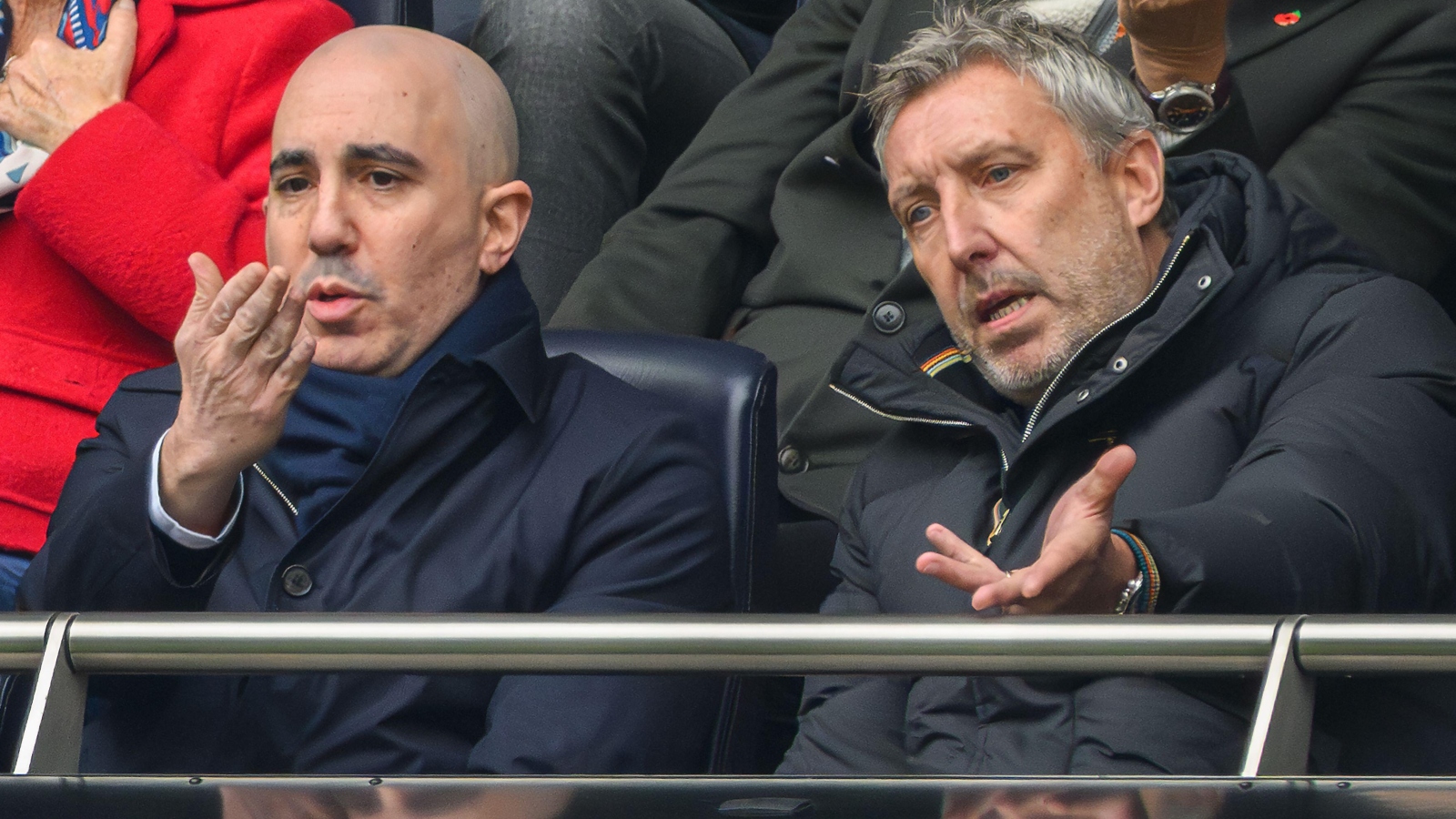
Here's the thing: whoever steps into Amorim's shoes is walking into a quagmire created by those supposedly running the show. Jason Wilcox, Omar Berrada and their ilk operate with remarkable insulation from the scrutiny that destroys managers. They make the decisions. They face none of the consequences. It's a cushy arrangement, particularly when you consider the glare under which Old Trafford operates.
The questions about Amorim's appointment should have been asked before a contract was ever signed. His stubborn adherence to formation – his refusal to adapt – wasn't some hidden secret. It was precisely why they hired him in the first place, seduced by the notion of a "philosophy," a recognisable shape, a brand identity. Never mind that the world's greatest coaches all understand that flexibility beats dogma every single time.
Amorim's fundamental flaw was prioritising vindication of his methods over what the players actually needed. He wanted validation more than he wanted success. That rigidity, combined with a dire record, means he'll fade from memory faster than most of his predecessors.
The Interim Bounce and Beyond
Enter Darren Fletcher, already a United legend. Watch what happens next: he'll tweak the formation to actually suit the squad at his disposal. A 4-3-3 here, a 4-2-3-1 there. Radical concept, isn't it? Adapting to your personnel. The players will suddenly look functional. The wins will come. Everyone will feel a bit better about themselves.
Then, inevitably, the board will get bored of pragmatism. Wilcox – an ex-Blackburn winger and former Manchester City academy chief – will be handed the keys to the kingdom, and the hunt will begin for the next bright young thing. Someone without enough seniority to challenge the questionable decision-making of those above him. Another manager primed to become a scapegoat.
Mark your calendars. In 18 months, we'll be back here again, dissecting the next sacking, the next appointment, the next cycle of managed decline. It's become as predictable as the Manchester drizzle.
That's the real Manchester United story these days – not the manager's failure, but the board's refusal to learn.
Compare options