Aluko's Fresh Dig at Wright Misses the Mark as Woods Dismantles "Gatekeeping" Argument
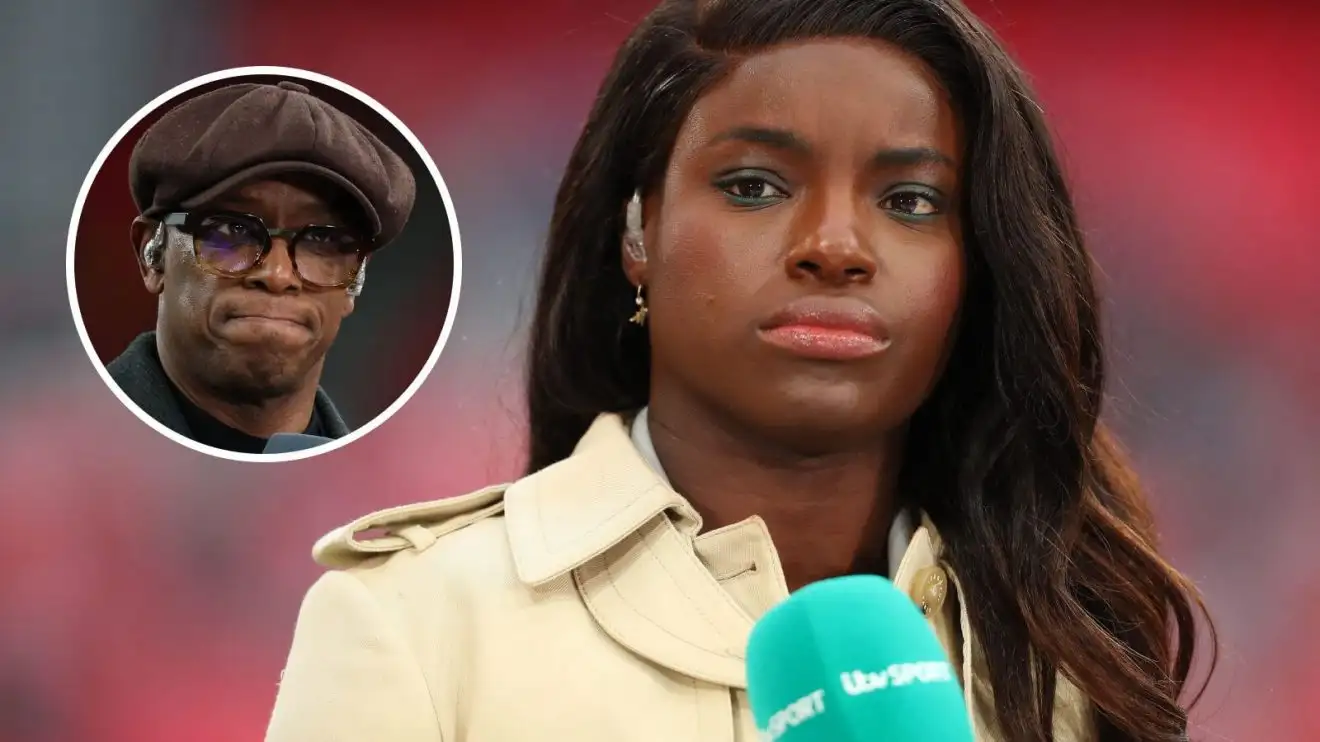
The punditry row between Eni Aluko and Ian Wright has flared up once more, with the former England international taking another swipe at her fellow broadcaster—and this time drawing a sharp rebuke from presenter Laura Woods.
Back in April 2025, Aluko caused considerable controversy by suggesting Wright had "blocked" opportunities for female pundits in women's football coverage. She subsequently issued a public apology, acknowledging she was wrong to single him out by name. Wright, however, declined to accept it, expressing his disappointment at her original remarks.
Now Aluko has resurfaced with fresh grievances, this time focused on BBC and ITV's coverage of last year's Women's Lionesses final. Speaking on the 90s Baby Show podcast, she highlighted that both she and Williams—who boasts 172 England caps—found themselves relegated to the stands rather than securing studio positions.
"I'm sat in the stands with 105 caps," Aluko explained. "Fara Williams was next to me with 170-odd caps. Between us, that's 290 caps, yet we're watching from the stands while six punditry spots are filled—and two of them by men."
She referenced the BBC panel, which featured Ellen White, Steph Houghton, and Nedum Onuoha, before turning her attention to ITV's line-up: Ian Wright, Emma Hayes, and Karen Carney. Aluko stressed she harboured no ill will toward any of them personally, but suggested the broadcasters should recognise the overlooked talent available.
"If we're building a women's game where limited opportunities are being taken by men, and we can't access the men's game in return, we're stuck," she said, before adding that Wright, given his position, should "clock what I'm saying."
The argument, however, appears fundamentally flawed. Woods, speaking on social media, dismantled Aluko's position with precision. She emphasised that international appearances alone do not guarantee broadcasting work, nor do they automatically make someone an effective analyst.
"Caps don't win automatic work and they don't make a brilliant pundit," Woods stated. "What matters is how you communicate, articulate yourself, research thoroughly, inform your audience, build likability, and create chemistry with your panel."
Woods went further, directly challenging what she described as one of the most damaging ideas in sports broadcasting: the notion that women's football should be exclusively covered by women.
"That mentality will drag women's sport backwards and harm women's punditry across all formats," she argued. "Growth requires inclusivity, not gatekeeping. We want boys and men watching women's football too. When they see someone like Ian Wright taking it seriously, they follow suit. That's how you build a sport."
The intervention from Woods appears decisive. Aluko's repeated focus on cap counts as a measure of punditry merit sits uncomfortably with the reality of broadcast work, where communication skills, analytical depth, and on-air presence typically determine opportunities far more than playing history alone.
Wright, for his part, has been widely recognised as one of the Premier League's most passionate advocates for women's football, consistently using his platform to amplify the game. That commitment would hardly seem to warrant the accusations being levelled at him.
Aluko would arguably benefit from stepping back from this particular dispute and focusing on developing her analytical craft rather than pursuing what increasingly appears to be a counterproductive campaign.
Compare options