The Garnacho Cautionary Tale: When Clubs Weaponise Young Talent and Forget to Discipline
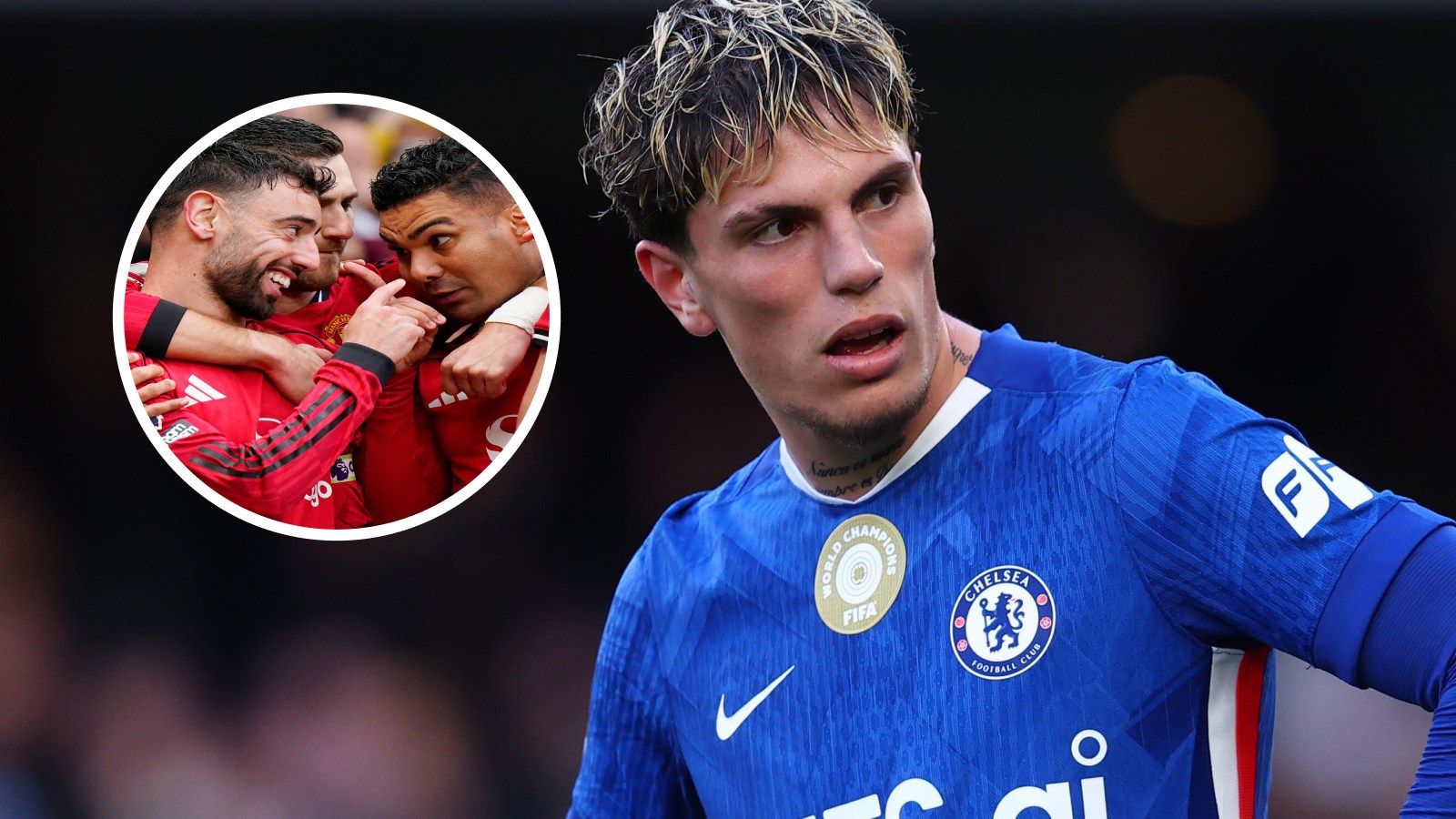
Few outside Garnacho's immediate circle would argue he hasn't earned the public ridicule now heaped upon him. Luke Shaw, Bruno Fernandes and their United teammates have made little effort to hide their disdain—a striking absence of discretion that speaks volumes about how thoroughly the Argentine rubbed them the wrong way.
Yet perhaps there's a case for viewing Garnacho as less villain and more victim. He is, after all, fundamentally shaped by those around him. And United bear considerable responsibility for the environment that moulded him.
The blame, however, extends further than Old Trafford alone. The entire sport and its supporters share culpability.
Nicky Butt, who bridged the academy and first-team setup when United signed the then-16-year-old winger from Atletico in 2020, understands Garnacho's trajectory better than most. Speaking on his podcast, Butt offered a candid assessment: "Garnacho was always a bit standoffish. He had a high opinion of himself. I thought he had an edge about him and when he went into Manchester United's first team… he got above his station way too quick."
The problem? United's hierarchy enabled precisely that ascension.
United weren't pioneers in this folly. The moment any club detects a whiff of prodigy, institutional values crumble. Clubs will sacrifice almost anything for the chance to be first to the prize—and crucially, first to profit from it.
Garnacho joined a long roster of young players who've rarely heard the word "no." Coaches, staff, media, supporters—all conspired to convince him he was destined for greatness. Yet United had warning signs before his first-team breakthrough. Erik ten Hag raised concerns about his "attitude, resilience, determination" before handing him a senior debut. None of it mattered. The potential glittered too brightly. Better to ignore the red flags and keep feeding the narrative.
Internally, Garnacho was packaged as United's present and future—their latest academy superstar. Never mind that he'd already left school when they paid Atletico nearly half a million pounds to acquire him. The machine cranked into overdrive. By the time ten Hag or Ruben Amorim might have considered reining him in, the hype had spiralled beyond recovery. Short-term convenience trumped long-term character-building.
United supporters absorbed it all wholesale. But again, this critique applies across the Premier League and beyond. The "star boy" phenomenon has metastasised into something unhealthy. Every fanbase now craves their own generational talent—someone (never mind that Garnacho was born in Madrid and didn't arrive in Manchester until 16) upon whom to project hopes and expectations that no teenager should reasonably shoulder.
Consider Max Dowman at Arsenal. There's no suggestion the winger won't fulfil his obvious potential, nor any meaningful comparison to Garnacho beyond one detail: swathes of supporters have already decided he's Arsenal's and England's future without him accumulating sufficient senior league minutes for half a football match.
Should such prophecy reach Dowman's head as it reached Garnacho's, could anyone genuinely fault him? How does a 16-year-old process such adulation, expectation and microscopic scrutiny without steadying influences nearby to keep him anchored?
Dowman, one hopes, possesses such people. Garnacho evidently did not. Yes, he had an older brother—usually more hindrance than help in such situations. But where were United's senior figures willing to offer firm, consistent guidance?
Butt and Paul Scholes recalled an earlier era when squad hierarchies policed themselves. "He'd have been taken out every single day in training," Butt reflected. "He'd have been put in his place very quickly with the likes of the players we got brought up with. Swatted down, taken out… but he'd have learnt from it and got better."
Such internal accountability remains potent when it exists. Modern squads, though, rarely harbour enough of these steadying presences.
Garnacho lacked sufficient standard-bearers at United. His idol was Cristiano Ronaldo—which explains considerable terrain. One of Marcus Rashford's associates branded him a "f***ing Ronaldo wannabe," a label that crystallises just how thoroughly the dice were loaded against him.
The trouble: Garnacho never possessed Ronaldo's gifts. He's a winger, as Chelsea are discovering, without explosive pace and capable of attacking only one flank. Layer that with a reluctance for defensive graft and you glimpse why Chelsea alone swallowed the bait last summer, convinced they'd spotted an opportunity others had missed. Typical Blues arrogance, really.
Perhaps a humbling first season at Stamford Bridge—one bereft of star-boy privileges—might instil enough perspective for Garnacho to rebuild his craft. But the window may already have closed; and for that, he bears only partial blame.
Compare options