2026 World Cup Power Rankings: Argentina Lead the 48-Team Field
The expanded 48-team World Cup heading to North America is now fully set, with qualification complete across all confederations. That leaves one task remaining: to sort every nation by their chances, prospects, and general tournament prowess.
A word of warning before we proceed: these rankings are subjective, fluid, and absolutely not worth losing sleep over. They're a bit of fun based on current form, squad quality, and draw positioning—nothing more.
If you've not already brushed up on how the various confederation qualifying routes worked this time around, it's worth doing so. With the World Cup expanded to 48 teams, virtually every confederation overhauled their process, and most of them became considerably more complicated than before.
The Lower Reaches
Iran occupy the bottom spot through no footballing fault of their own. They navigated a competitive Asian qualifying campaign and earned their place, but geopolitical circumstances make their participation unlikely at this stage.
New Zealand benefited enormously from the expanded format, securing automatic qualification as OFC champions rather than facing a playoff. Chris Wood and company will represent their confederation in North America.
Haiti's return after 56 years comes with a daunting group including Brazil and Morocco, though their opener against Scotland feels absolutely pivotal for both sides.
Curacao's qualification as first-time finalists represents a remarkable achievement for the smallest nation by both population and area ever to reach the World Cup.
Iraq came through the inter-confederation playoffs as seeded entrants, while DR Congo dramatically beat Nigeria on penalties before dispatching Jamaica to reach the finals for only the second time.
Panama return for the first time since 2018, when they faced England's Harry Kane—and find themselves paired with him again this summer.
The Mid-Tier Challengers
Cape Verde's qualification stands among the qualification cycle's finest stories, topping their group ahead of Cameroon to reach a World Cup for the first time.
Saudi Arabia and Qatar both secured spots through the expanded Asian qualifying format, with both benefiting from home advantage in crucial stages. Qatar, fresh from hosting 2022, will hope for considerably better than their three group-stage defeats from that tournament.
Uzbekistan and Jordan both represent first-time qualifiers from Asia. Jordan's run to the 2023 Asian Cup final demonstrates they're no minnows, though Argentina will prove a different proposition in Group J.
Tunisia, South Africa, and Ivory Coast represent Africa's established World Cup presence. South Africa's return after 2010 comes following AFCON success, while Ivory Coast navigated a tough qualifying battle with Gabon.
Ghana's squad boasts considerable European club pedigree, though England and Croatia present stern group-stage obstacles.
Senegal reached the last 16 in Qatar and won a competitive qualifying group, though France and Norway represent formidable opponents in their pool.
Czechia won the UEFA playoffs and benefited from a favourable draw, likely to progress from a group containing Mexico, South Korea and South Africa.
The Contenders
Canada, automatic qualifiers as co-hosts, must improve on their record of six games played, six lost. Their Copa America semi-final run suggests progress is possible.
Austria reached their first World Cup since 1998 after topping their group, while Scotland return for the first time since that same year. Scott McTominay's supposed versatility aside, Scotland face a genuine challenge reaching the knockout stages despite the expanded format benefiting them.
Paraguay made it comfortably enough, though last summer's Copa America proved a humbling experience. Sweden's journey defies logic—they finished bottom of their qualifying group with two draws and four defeats, yet capitalised on a Nations League playoff lifeline to reach North America. Their squad contains genuine quality, but they've landed in what comes closest to a group of death with Netherlands, Japan and Tunisia.
Australia secured their sixth consecutive World Cup appearance and remain the type of team nobody particularly wants to face in the group stage, though they've not reached an Asian Cup quarter-final since winning the tournament in 2015.
Egypt, seven-time African champions, have reached only three World Cups despite their continental dominance. They qualified strongly this time and should fancy their chances against Iran's replacement and New Zealand.
The Strong Favourites
USA landed a reasonable draw and expect to progress beyond the last 16, matching their 1994 showing when hosting. However, current form suggests they might not be quite as strong as recent World Cup cycles.
Colombia finished third in South American qualifying and bring knockout-stage experience from 2014 and 2018, while Bosnia upset Italy to qualify and should fancy their chances of progressing from a manageable group.
Croatia's status as World Cup finalists and semi-finalists commands respect, though an ageing squad heading into a late-season tournament raises concerns. Their opening fixture against England promises to be one of the tournament's standout matches.
Uruguay came through CONMEBOL qualifying comfortably and remain a dangerous proposition, though their group features potential Argentina winners—a complication that could cost them dearly in the knockout stages.
South Korea haven't missed a World Cup since 1982 and produced a rock-solid qualifying campaign. Turkey qualified through the UEFA playoffs and landed a favourable draw that could see them genuinely win their group.
Ecuador have reached five World Cups in seven tournaments and should progress from a group where Germany are top seeds but Ivory Coast and Curacao present genuine opportunities.
Switzerland maintain a reliable pattern: they qualify, progress from the group, then exit in the last 16. This tournament shouldn't break that cycle, though UEFA playoff winner Italy in their group complicates matters.
Mexico host the tournament alongside USA and Canada, opening proceedings against South Africa—the same opponent who faced them in the 2010 opener. They won the 2023 Gold Cup but disappointed at the 2024 Copa America.
Japan haven't missed a World Cup since 1998 and powered through Asian qualifying in impressive fashion. Their recent Wembley victory over England demonstrated they're no pushover.
The Elite
Norway possess a genuinely exciting squad featuring Erling Haaland and Martin Odegaard, yet carry a miserable major tournament record. They won all eight qualifiers, thrashing Italy home and away and scoring 37 goals across the campaign. Their clash with France could be a tournament highlight.
Belgium's golden generation fades, though they remain top-eight ranked and shouldn't be underestimated. Their group should yield progression relatively comfortably.
Morocco became the first African nation to reach a World Cup semi-final and should contend again, though Brazil as group-stage opposition presents a stern test.
Germany's recent trajectory confuses. They perform well between tournaments, then underperform when it matters. They've not reached a World Cup or Euros semi-final in a decade, and recent evidence suggests caution remains warranted.
Portugal prepare for what feels like the fifth Cristiano Ronaldo farewell. They won the Nations League convincingly but stumbled through qualification and haven't progressed beyond the quarter-finals since 2016.
Brazil remain world football's most decorated nation, yet they've reached just one World Cup semi-final since 2002. Carlo Ancelotti's arrival brings fresh hope, and they should navigate their group despite Morocco presenting genuine opposition.
Netherlands narrowly lost to Argentina in Qatar's quarter-finals and reached the Euros semi-finals. Premier League quality runs through their squad, though they drew an awkward UEFA playoff winner.
The Favourites
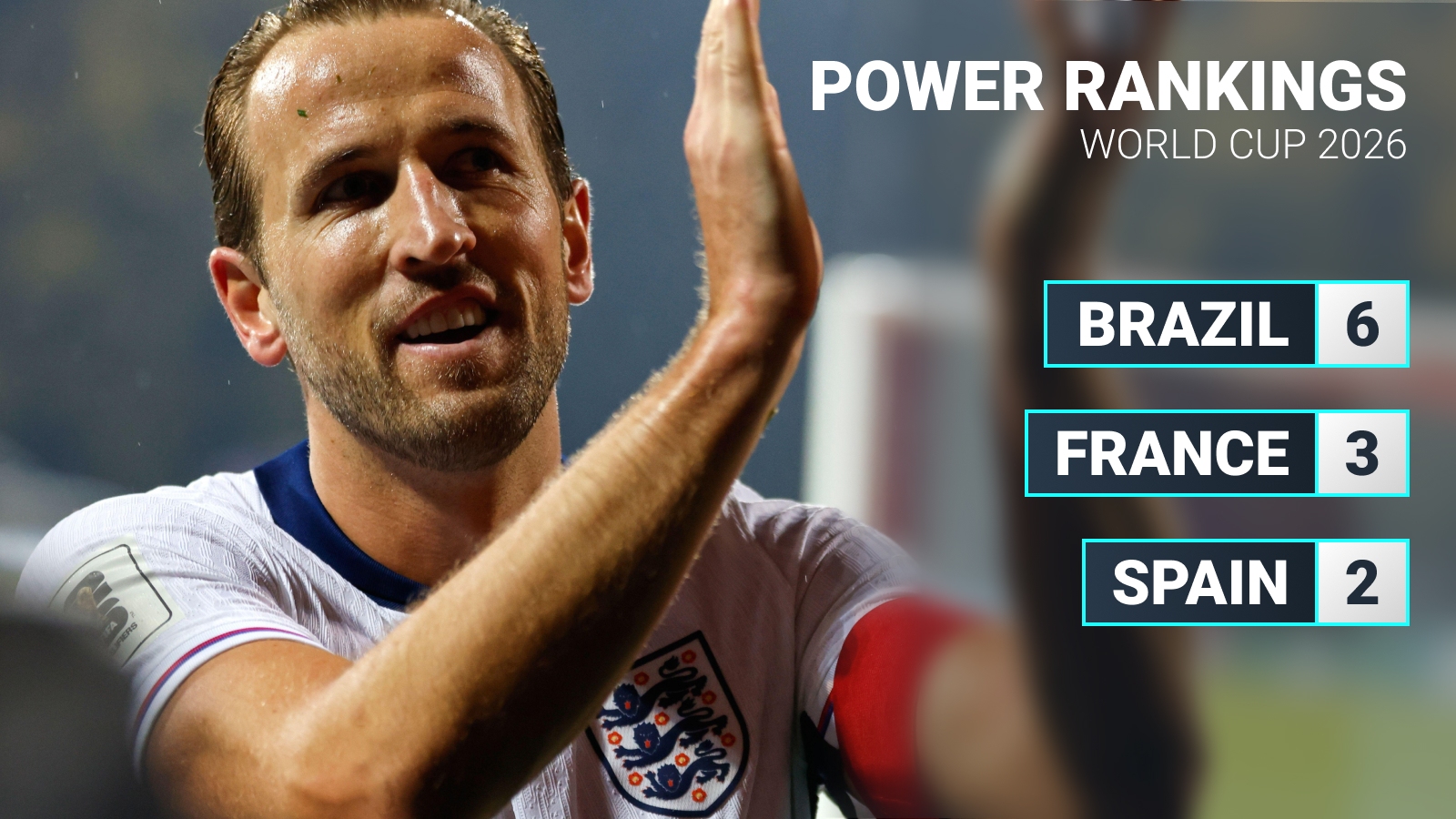
England's trajectory through recent tournaments—semi-final, runner-up, quarter-final, runner-up—demands respect. Under Thomas Tuchel, they won all eight qualifiers without conceding and finally appear to match their results with convincing performances. Their group isn't easy, but they should progress.
France won and finished runner-up in the last two World Cups and reached the Euros semi-finals. Their pedigree is undeniable, though Senegal could trigger 2002 memories and Norway represents the lurking threat from the third pot.
Spain won the Euros in thrilling fashion with a young squad possessing genuine depth. They eased through qualification and remain bookmakers' favourites.
The Holders
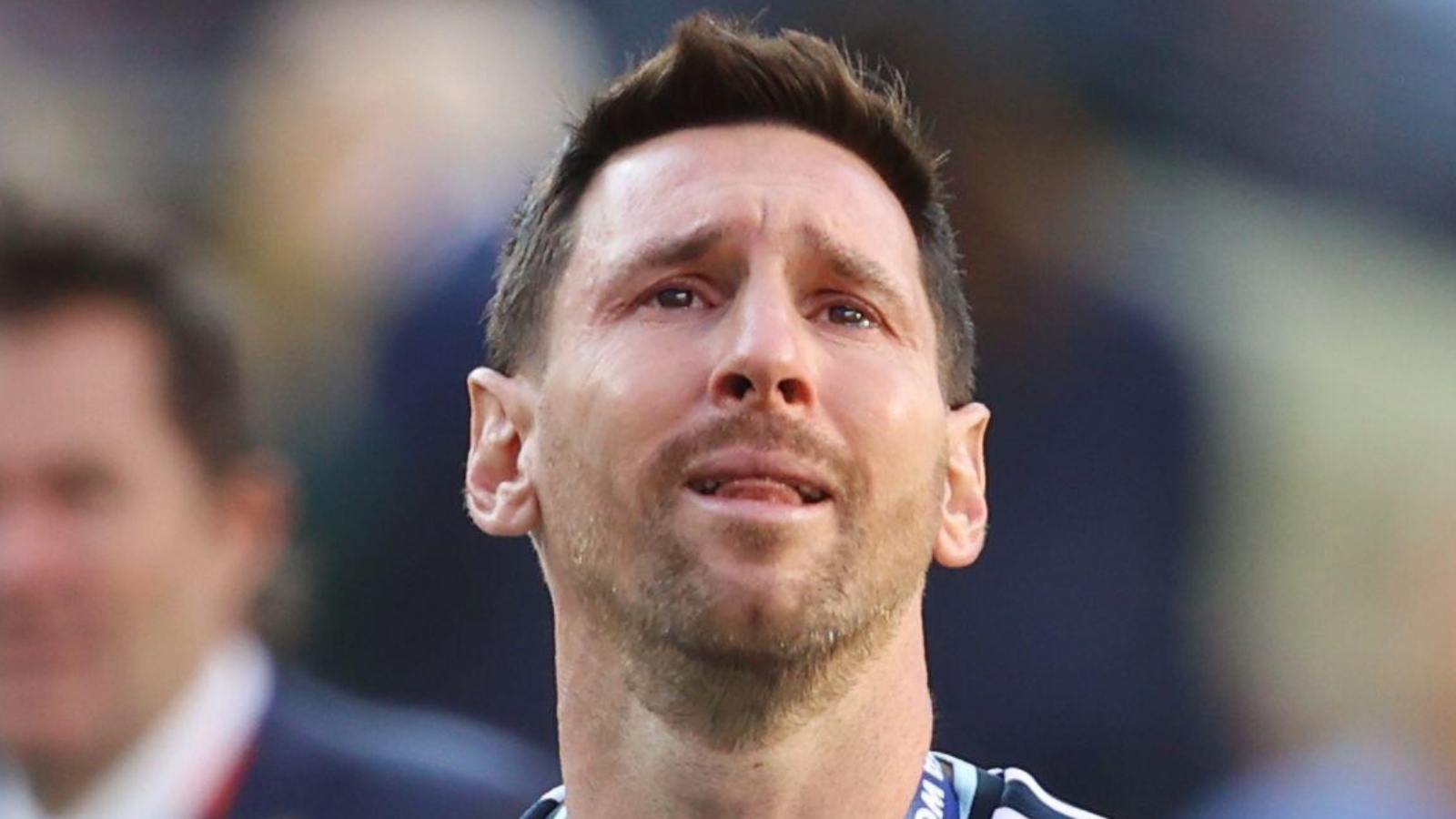
Argentina remain the tournament's most plausible winners. They hold both the World Cup and Copa America and dominated South American qualifying. Concerns about an ageing squad navigating an even longer tournament are valid, yet they should comfortably win their group and avoid another group winner until the quarter-finals.
Compare options