Premier League Final Day: Spurs Cling On, West Ham Fall, and European Hopes Flourish
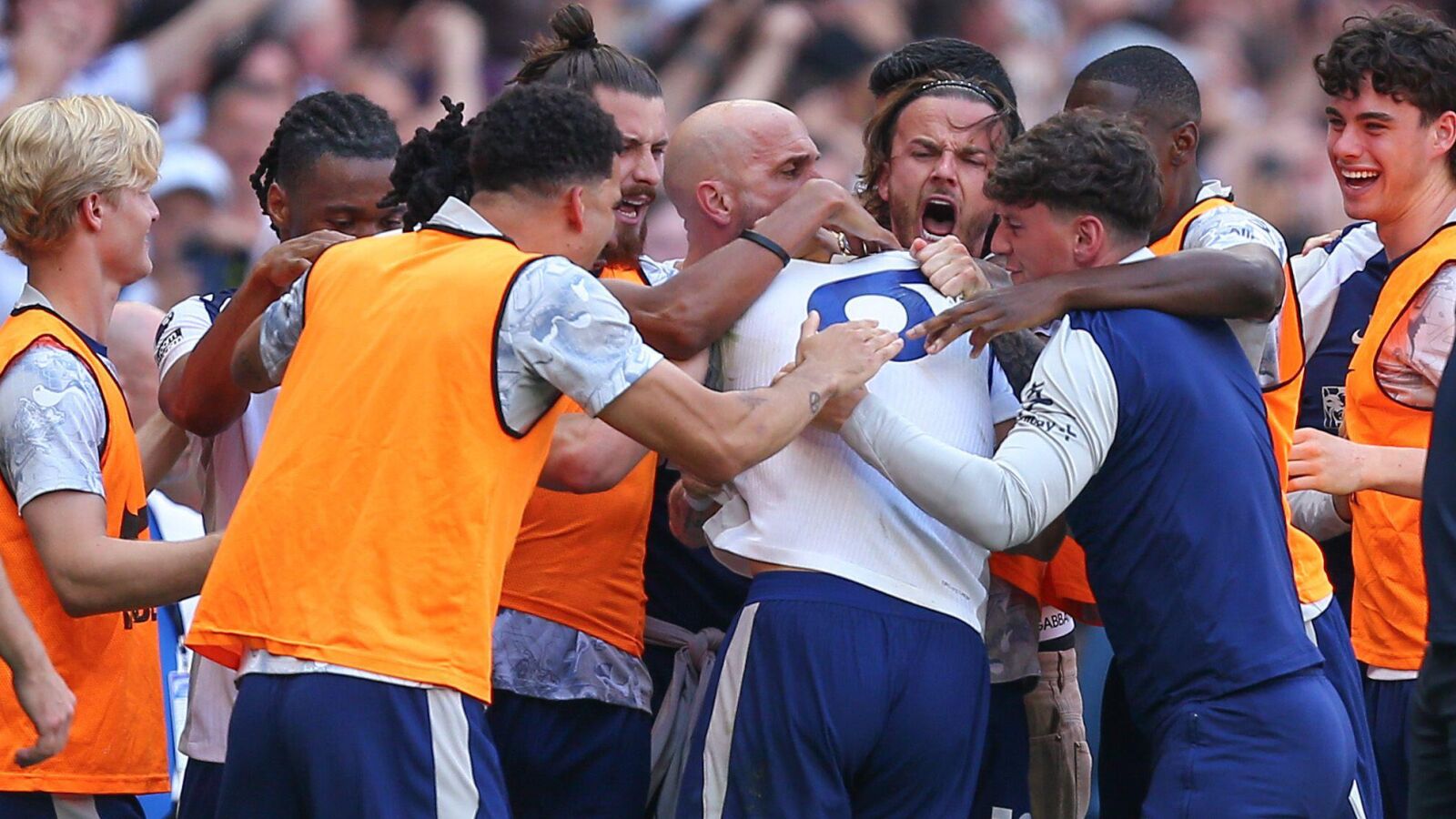
The drama of the day was always going to centre on one thing, yet it never quite materialised into the nail-biter everyone anticipated. Spurs dispatched Everton 1-0 in workmanlike fashion—almost competent, one might say—leaving West Ham's emphatic 3-0 demolition of Leeds as little more than a footnote to the survival narrative.
Beyond the relegation dogfight, the Premier League served up a genuinely satisfying climax, with a raft of mid-table sides shuffling around to secure spots in next season's European competitions. And alongside the relief came the farewells—several significant ones that will reshape English football's landscape.
Spurs' Reprieve and the Reckoning Ahead
Relief flooded the stadium when the final whistle went. Not joy, mind you—relief. Spurs have cleared an extraordinarily low bar, and their supporters can celebrate accordingly. But those running the club should be hanging their heads.
This has been a reckless, arrogant, and error-littered campaign. One different result—for them or West Ham—and Spurs would have been Championship-bound. The club has now finished 17th in consecutive Premier League seasons, accumulating 79 points from their last 76 matches. This is unacceptable for an outfit of Spurs' stature.
The finger-pointing must now turn inward. CEO Vinai Venkatesham and sporting director Johan Lange grinning during injury time felt like a particular slap in the face for supporters who endured this ordeal. Both men should be moved on swiftly if genuine progress is to follow. Ange Postecoglou paid the price for his failings last season; these two deserve the same fate.
The comparison to Manchester United's summer overhaul will inevitably surface, yet the prospect of Spurs matching that ambition feels fanciful. Expect Johan Lange to spin a yarn about James Maddison, Mohammad Kudus, and Dejan Kulusevski returning to full fitness serving as "new signings"—a convenient narrative that masks the need for genuine investment.
De Zerbi's Miracle
What Spurs do possess, at least, is a manager capable of delivering if this chaotic club will simply support him properly. Roberto De Zerbi's achievement since arriving following the Sunderland defeat borders on the extraordinary. He inherited a squad devoid of confidence, bereft of recent league victories, and systematically ravaged by injuries.
Cristian Romero suffered a season-ending injury in De Zerbi's first game. Kudus never returned from a setback in his rehabilitation. Xavi Simons ruptured his cruciate ligament, leaving Spurs almost entirely drained of attacking creativity. Under these circumstances, extracting 11 points from the final six matches represents management of the highest order. De Zerbi made his expectations crystal clear in his post-match address: "Next season we have to build a top, top, top team. We don't have to change too many players in our squad but we have to bring in some first level players."
Cynicism suggests those promises will gather dust.
A Serene Escape
What made Spurs' survival most peculiar was its almost stress-free nature. They began the day with a two-goal cushion—requiring both an Everton goal and a West Ham goal to threaten them—and ended it the same way, never once dipping into genuine peril.
Spurs dominated an Everton side that looked thoroughly disinterested for large stretches, only mustering genuine resistance in the closing moments. The hosts played well, dominated possession, and fully merited their advantage. Joao Palhinha's opening goal—scruffy, second-attempt, yet beautiful in its ugliness—proved decisive.
Palhinha's five Premier League goals this season have carried disproportionate weight. He scored in that 2-0 triumph at Manchester City in August, netted an injury-time leveller against Wolves, and struck the late winner against the same opponents earlier this month. Today's effort adds another crucial contribution to his tally.
The stat that tells the real story of Spurs' season: they've won at home on the opening day and the final day, with just one solitary victory in between—a December success. Even with today's win, De Zerbi has been responsible for one-third of Spurs' entire home points tally across the campaign. They remain 18th in the home table, five points adrift of the next worst and level with Wolves on wins.
The most obvious area for improvement next season stares everyone in the face.
De Zerbi's Defensive Revolution
What De Zerbi has achieved tactically is unmistakable: Spurs have transformed defensively. They haven't yet resembled a convincing attacking outfit—hardly surprising given his limited time and depleted resources—but the improvement in their shape and solidity has been marked.
Micky van de Ven and Pedro Porro, largely anonymous for months, have rediscovered their quality. In the run-in, Spurs registered five games out of six with an expected goals against figure below one. Only against Leeds did they concede more than 1 xGA, largely via the penalty. Today, Everton's xG stood at a paltry 0.19.
For once, Spurs managed to avoid being Spursy when Spursiness threatened to consume everything. The credit due to the club's hierarchy for eventually securing a proper manager deserves acknowledgement, however begrudging. They could have made this move months earlier when it was glaringly necessary, but at least they got there. Similarly, avoiding the loan of Antonin Kinsky to West Ham in January warrants a grudging nod. Had either decision gone the other way, Spurs would be in the Championship.
West Ham's Bitter Pill
West Ham at least performed their final-day obligations with some panache, sweeping past Leeds 3-0 in the second half after a tight opening period. Yet they were forever dependent on Everton doing likewise, and the Toffees simply never obliged.
There's a cruel irony to West Ham's 39-point tally proving insufficient. That total would have meant safety in either of the previous two seasons and represents 15 points more than any team has been relegated with in the last 15 years. Only three sides have ever gone down with more points, and West Ham themselves hold that unwanted distinction.
The Hammers cannot genuinely complain, though. Across the campaign, they ranked as the division's third-worst team and for stretches the outright worst. One different result changes their fate entirely, yet West Ham have squandered their opportunity through poor management across the season.
Two periods define their downfall. First, the 10-game winless run around the new year proved catastrophic. Nuno Espirito Santo appeared to have found his formula—seven points from three matches against Newcastle, Burnley, and Bournemouth looked promising—but a toothless defeat to Liverpool derailed everything. Second, the three-match losing streak this month proved terminal. After clawing back to level with Spurs and taking matters into their own hands, the last-minute winner against Everton felt momentous. Instead, it marked the beginning of the end.
Alphabet Soup and Sunderland's Triumph
For the first time in Premier League history, next season contains no team beginning with W. Wolves, West Ham, and West Brom are all absent. Tottenham's reward for escape? Bottom of the new 26-team table alphabetically.
Sunderland's sole occupancy of the S category—thanks to Southampton, Stoke, and Swansea's continued absence—creates another oddity: Nottingham Forest will begin the campaign in the bottom three, which simply doesn't compute.
Speaking of Sunderland, Regis Le Bris and his side have enjoyed a sensational campaign. Their 1-0 victory over Chelsea propelled them from tenth to seventh and with it a Europa League berth. Chelsea's visit was notable chiefly for the fact it represented their most committed Premier League performance in two months—an elite-level attempt to relegate a rival, nothing more.
Europe's Thursday Night Warriors
Sunderland will be joined in the Europa League by Bournemouth, while Brighton secured a Conference League spot despite suffering a heavy final-day defeat to Manchester United. Crystal Palace may yet claim a Europa League place should they triumph in this week's Conference final.
What a collection of Thursday night warriors next season promises to be. Recent evidence suggests all four possess genuine opportunities to experience some of the finest moments in their respective histories in European competition.
The Cost of European Abstinence
The flipside carries equal intrigue. Newcastle and even Spurs could benefit significantly from the lighter schedule next season. Eddie Howe's Newcastle has developed a pattern of alternating seasons with European football with those without, the workload proving detrimental domestically. Michael Carrick's Manchester United has already demonstrated the dividends of a one-game-a-week schedule in the second half of this season.
Chelsea's case warrants consideration, though a mischievous observer might suggest they've actively thrown away lesser European qualification once Champions League football became unattainable. Less mischievously, Chelsea have competed in 121 games across 21 months without a single blank period. That relentless schedule surely merits consideration when assessing their miserable finish.
Villa's Extraordinary Finish
Aston Villa wrapped up fourth place with a comeback victory over a deflated Manchester City. Within nine days, Villa have outplayed Liverpool, ended a 30-year trophy drought, and humbled City. Unai Emery's absence from the Manager of the Year shortlist remains one of the season's most baffling oversights.
Villa achieved what neither Tottenham nor Manchester United managed last season: combining a deep European run with sustained league excellence. Beginning from a troubled, unconvincing start, their trajectory has been sensational.
The Bruno Fernandes Debate
The Premier League's scriptwriters squeezed one final narrative flourish into the season's closing weeks: a discourse on whether assists actually matter. Bruno Fernandes equalled and then surpassed the all-time Premier League assists record on the final day, finishing with 21.
For a team conspicuously lacking a truly elite goalscorer—Manchester United had no player in the top 10 scorers, with their joint leading marksmen matching Richarlison and Zian Flemming's tally—this represents a remarkable achievement. Acknowledging this shouldn't invite controversy.
Farewells
Mo Salah started Liverpool's final match and received a fitting ovation from the Kop. The weeks preceding his exit tainted the narrative somewhat, yet time will ensure that disappointment fades and his achievements take centre stage. He departs with 193 Premier League goals (fourth all-time) and 94 assists (sixth all-time) across 328 appearances—an undisputed great.
Pep Guardiola's managerial reign at Manchester City has concluded. Andoni Iraola's Bournemouth tenure ended, though hopes he remains in the Premier League elsewhere persist. Oliver Glasner has one final hurrah awaiting with Crystal Palace this week.
Arsenal's Hollow Trophy
Crystal Palace and Arsenal played out a match of little consequence—one team fixated on a game six days hence, the other focused on an engagement three days away. Arsenal won; nobody particularly cared.
The real entertainment arrived afterward: David Raya's contribution to the trophy celebration, bringing his gloves despite not being in the matchday squad. A magnificent escalation of Full Kit Banter. One suggestion: they should have been golden.
Until Next Time
Season's end has arrived. The predictions will resume before long, and we'll do it all again next summer.
Compare options