Arsenal's European Dream Ends in Penalties as Arteta's Tactical Gamble Backfires
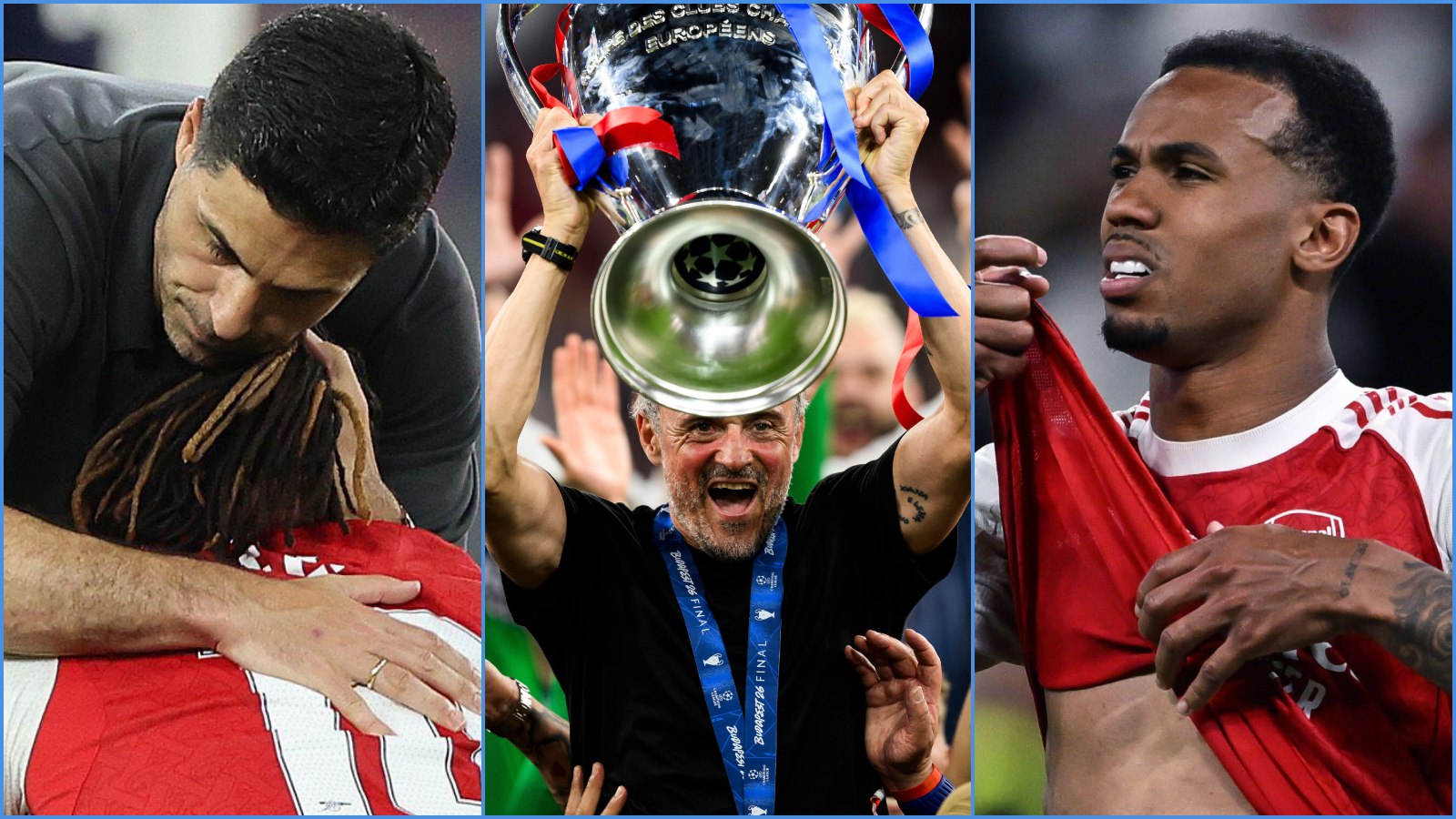
Arsenal's European odyssey came to a heartbreaking end in the Champions League final as Paris Saint-Germain prevailed on penalties, leaving Gunners fans to contemplate what might have been on a night when their side sacrificed attacking prowess for defensive solidity.
Kai Havertz's sixth-minute opener appeared to have given Arsenal the platform for glory, but the Gunners' approach thereafter—playing for a 1-0 victory that had served them so well in the Premier League—proved insufficient against an opponent determined to find a way through. PSG, managed by Luis Enrique as they chased back-to-back European crowns, gradually seized control after the interval, eventually forcing extra-time and then the lottery of a shootout.
The statistics painted a damning picture of Arsenal's evening. They managed just a single shot between the 46th and 118th minutes, blocked at that, whilst PSG manufactured 15 efforts in the same window. Arsenal's possession figures represented the lowest by any Champions League finalist on record—a stark reminder that defensive pragmatism, whilst admirable, has its limits on the grandest stage.
Arteta's substitution decisions proved particularly costly. Bukayo Saka, reduced to four passes across 82 minutes, was shackled as a defensive auxiliary rather than unleashed as an attacking threat. Martin Odegaard fared little better, managing six touches in sixty minutes whilst completing more tackles than creating chances. Both would have stepped up to take penalties had the match gone the distance, yet they barely touched the ball beforehand.
The turning point arrived midway through the second half. Cristhian Mosquera's yellow card for time-wasting appeared to shift momentum, giving Khvicha Kvaratskhelia the opening he needed to turn the screw. When Kvaratskhelia combined with Ousmane Dembele down Arsenal's right flank, it exposed the one defensive fragility that had haunted the Gunners all evening. Dembele's penalty conversion levelled matters and forced extra-time.
What followed was a frantic, breathless affair. Myles Lewis-Skelly blocked a Kvaratskhelia effort onto the post. David Raya rushed from his line to deny Bradley Barcola. Arsenal fashioned their own chances but lacked the cutting edge to capitalise. By the time Gabriel Magalhaes stepped up as Arsenal's fifth penalty taker, the momentum had shifted irrevocably.
Gabriel, otherwise the standout performer, had never taken a spot-kick for Arsenal before. Eberechi Eze, introduced as a substitute late on, delivered the miss that will haunt him. Even Raya, so commanding throughout the season, appeared consumed by anxiety, diving seconds before PSG's decisive fifth attempt.
For a club so meticulous in its preparation, so obsessive about controlling variables, the cruelty of losing to the most rehearsable of all situations—a penalty shootout—represented the ultimate indignity. Arteta's post-match magnanimity, generously acknowledging PSG as "the best team in the world," spoke to the narrow margins that separated the sides. The French champions had needed to chase this contest from the sixth minute onwards, yet they possessed the adaptability and nerve to prevail where it mattered most.
Arsenal's Champions League journey—quarter-final, semi-final, final across three consecutive seasons—suggests they will return to this stage. But Arteta faces searching questions about whether his defensive blueprint, so successful domestically, can deliver when the opposition refuses to be suffocated into submission. On this evidence, marginal tweaks to approach may prove insufficient.
For now, Arsenal must console themselves with their Premier League triumph and contemplate how they might have written a different ending. PSG, by contrast, join an elite club of European champions, their resilience under Enrique's guidance rewarded with immortality.
Compare options